July 11, 2026
Wheel Loader vs. Tractor Loader Performance
Compare wheel loader and tractor loader performance for lifting, loading, traction, maneuverability, attachments, and daily jobsite productivity.
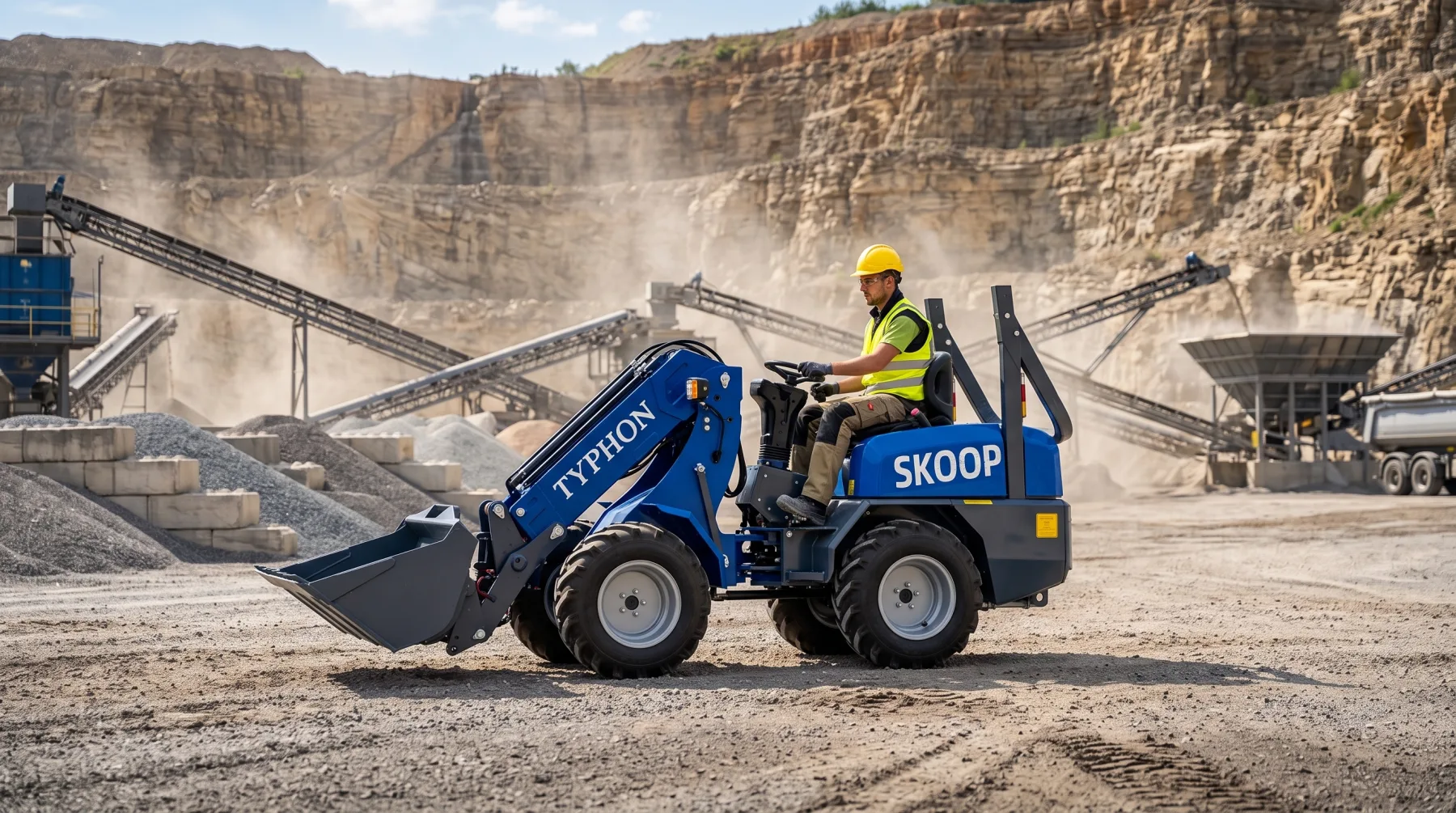
Wheel loaders and tractor loaders can both move material, lift supplies, and support outdoor work. They are not built for the same performance profile. A wheel loader is designed around loading, carrying, lifting, dumping, and repeated material handling. A tractor loader is usually a multi-purpose machine where the front loader is one part of a broader utility setup.
Wheel Loader Performance
A wheel loader usually has the advantage when the main job is moving material all day. Its frame, lift arms, hydraulic system, counterweight, cab position, and steering are designed for efficient loading cycles. That makes it a strong fit for gravel yards, feed handling, snow removal, landscape supply yards, construction cleanup, and stockpile work.
Tractor Loader Performance
A tractor loader can be a good fit when the machine needs to handle mixed farm, property, or utility jobs. It can use rear implements and PTO-powered tools, so it may be more flexible for mowing, grading, pulling, light loader work, and acreage maintenance.
The tradeoff is that a tractor loader may not match a dedicated wheel loader in cycle speed, lift height, breakout force, visibility, or stability under heavy repeated bucket work.
Cycle Time and Productivity
For repeated loading, cycle time matters. A wheel loader is built to enter a pile, fill the bucket, reverse, travel, lift, dump, and return with a smooth rhythm. A tractor loader can do lighter loading work, but it may need more careful positioning and slower handling with dense material or high loading targets.
Lift Capacity and Stability
Wheel loaders are generally stronger for heavy carry-and-load tasks because their weight distribution and counterweight are designed for loader work. Tractor loaders can lift effectively within their rated limits, but rear ballast, tire setup, slope, and load height become especially important.
Which One Fits Best?
Choose a wheel loader when most hours are spent loading, carrying, stacking, clearing, or handling material. Choose a tractor loader when the work is split across many property or farm tasks and loader work is only part of the schedule.
Conclusion
The best machine depends on the job you do most often. If productivity depends on loader cycle time, lift strength, visibility, and stable material handling, a wheel loader is usually the stronger performance choice. If the job requires one machine for varied utility work, a tractor loader may be the more flexible option.