How Dump Angle Affects Material Unloading Performance
Discover how a dumper's dump angle impacts material unloading performance. Learn how to match bed tilt to material types for faster, cleaner cycle times.
How Dump Angle Affects Material Unloading Performance
The way a dumper empties its load has a direct effect on how much work you get done in a day. A bed that tips to the right angle clears material cleanly and quickly, while one that falls short leaves you dealing with stuck loads, extra cleanup, and slower cycles. Dump angle sits at the center of this performance, shaping how efficiently gravity pulls material out of the bed and into the truck, container, or stockpile below. This guide explains how dump angle affects material unloading performance across five practical areas. You will learn how dump angle drives material flow, how different materials respond to it, how it influences unloading speed and cycle efficiency, how it affects clearance and placement, and how to match the right angle to your jobsite. By the end, you will know what to look for to keep your unloading clean and dependable.
Understanding Dump Angle and Material Flow
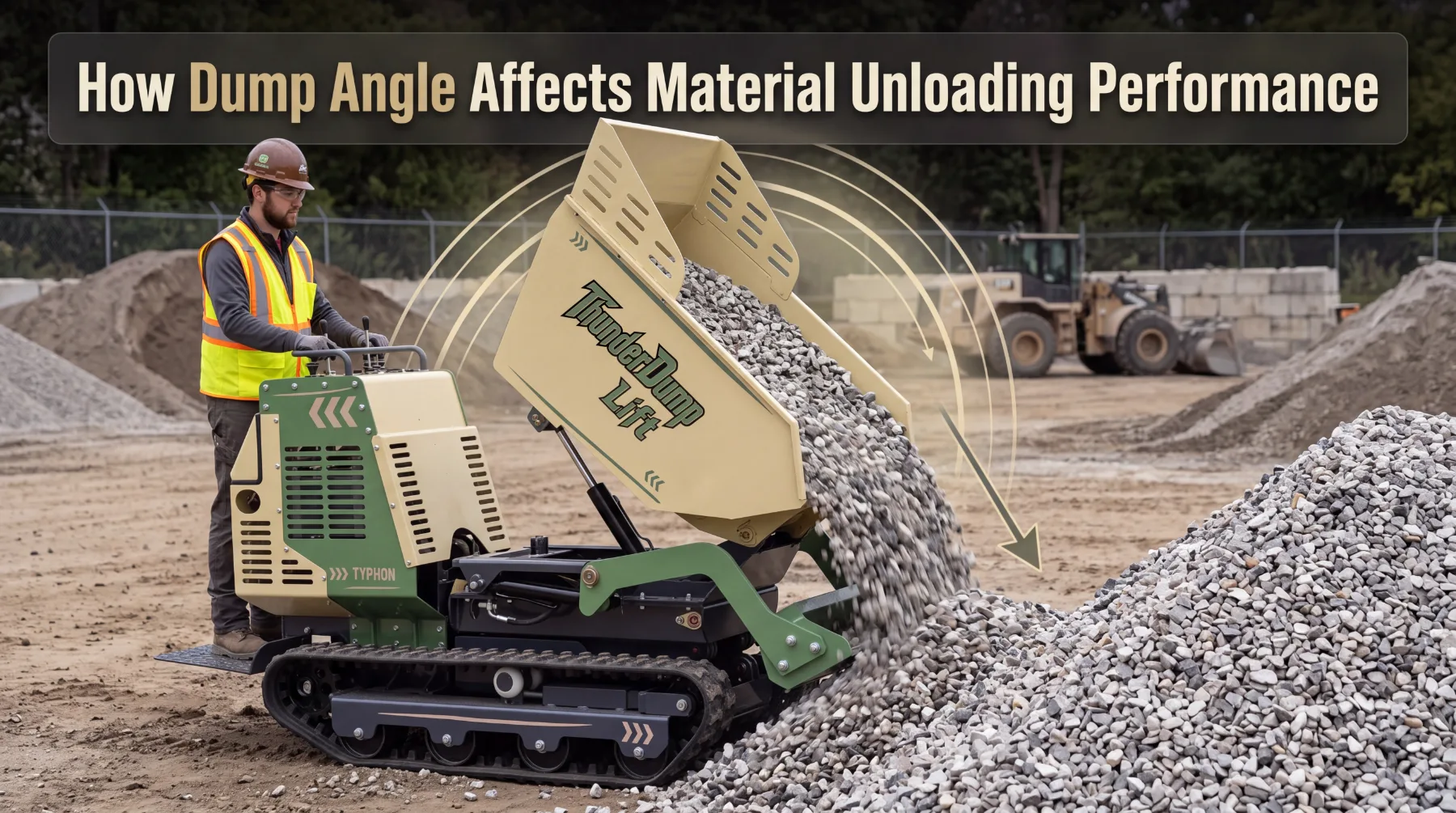
The dump angle determines how far the dumper bed tilts during unloading, and that tilt is what sets material in motion. When the bed rises to a steeper angle, gravity takes over and pulls the load toward the open end of the bed, guiding it out in a steady, controlled flow. A suitable angle helps gravity move material efficiently and reduces the amount of material left behind once the load has been discharged. The relationship here is straightforward. The steeper the tilt, the more force gravity applies to the material, and the more readily it slides free of the bed. A shallow angle may move loose material well enough, but it can leave heavier or denser loads sitting in place, since the slope is not steep enough to overcome the friction between the material and the bed surface. This is why dump angle matters so much to clean unloading. A bed that reaches an adequate angle empties fully, dropping its load in one confident motion and leaving little behind. A bed that stops short of the angle the material needs discharges only part of the load, forcing the operator to work the bed repeatedly or clear the remainder by hand. Understanding this connection gives you a practical way to judge unloading performance. When you know that material flow depends on reaching a suitable angle, you can look at how a dumper behaves during discharge and recognize whether its tilt is doing the job. A machine that empties cleanly in a single tip is delivering the material flow its design intends, which keeps your unloading efficient and your bed clear for the next load.
Effect on Different Material Types
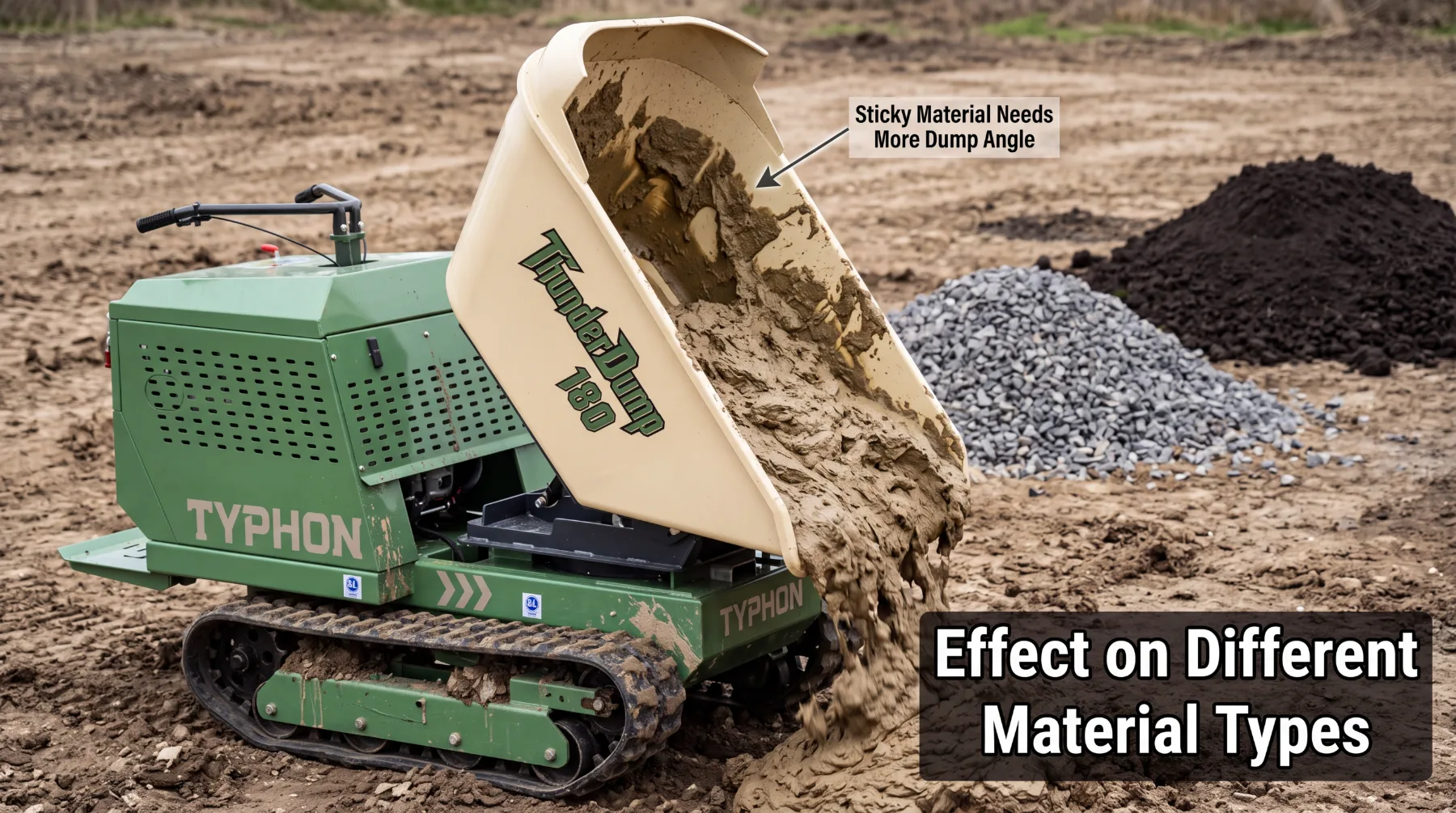
Not all materials behave the same way when the bed tilts, so the dump angle a load needs depends heavily on what you are carrying. Soil, gravel, sand, and wet or sticky materials each respond differently during unloading, and understanding those differences helps you judge whether a dumper suits the work you do. A machine that empties dry gravel effortlessly may struggle with material that clings to the bed. The behavior of common materials shows why this matters: Dry gravel and sand, which flow freely and tend to discharge cleanly at a moderate dump angle Soil, which unloads reasonably well when dry but grows heavier and less willing to move as moisture rises Wet or sticky materials, such as clay, mud, or damp mixes, which cling to the bed and resist sliding free Dense or compacted loads, which need a steeper slope to overcome the friction holding them in place Materials that tend to cling to the bed may require a greater dump angle to achieve a more complete discharge. Wet clay, mud, and similar loads hold onto the bed surface through both weight and adhesion, so a shallow tilt often leaves a stubborn layer behind. A steeper angle gives gravity the leverage it needs to break that grip and pull the material free. This is worth keeping in mind when choosing or operating a dumper. If your work regularly involves sticky or heavy material, a machine capable of reaching a greater dump angle helps you empty the bed fully and avoid the repeated cleanup that a shallow tilt invites. Matching the angle capability to the materials you handle most keeps your unloading clean and reduces the effort spent clearing what a lesser angle leaves behind.
Unloading Speed and Cycle Efficiency
Every dumper job runs on cycles: load, travel, unload, and return. The unloading portion of that cycle is where the dump angle makes a clear difference. A suitable dump angle helps shorten the time spent emptying the bed, because material that flows out quickly and completely lets the operator move on without delay. When the bed reaches an angle well matched to the load, the discharge happens in a single, decisive motion rather than a slow, partial release. Faster, more consistent discharge contributes directly to smoother material-handling operations. Consider what happens when the angle falls short. The operator may have to hold the bed up longer, shake the load free, or tip and lower the bed more than once to clear it. Each of these adds seconds or minutes to the cycle, and across a full day of repeated trips, that lost time adds up to a real reduction in productivity. A dumper that empties cleanly on the first tip keeps every cycle tight and predictable. The operator raises the bed, the material discharges, and the machine returns to work without wrestling a stubborn load. This consistency is valuable because it lets you plan and pace the work reliably, knowing each unloading step will take roughly the same short amount of time. The benefit compounds over high-volume work. On a project involving many loads, even a modest improvement in unloading speed per cycle translates into meaningful gains by the end of the shift. Choosing a dumper whose dump angle suits your material means each discharge stays quick and complete, which keeps cycle times low and the whole operation moving efficiently. For work where throughput matters, reliable unloading speed is a genuine advantage worth prioritizing.
Clearance and Placement During Dumping
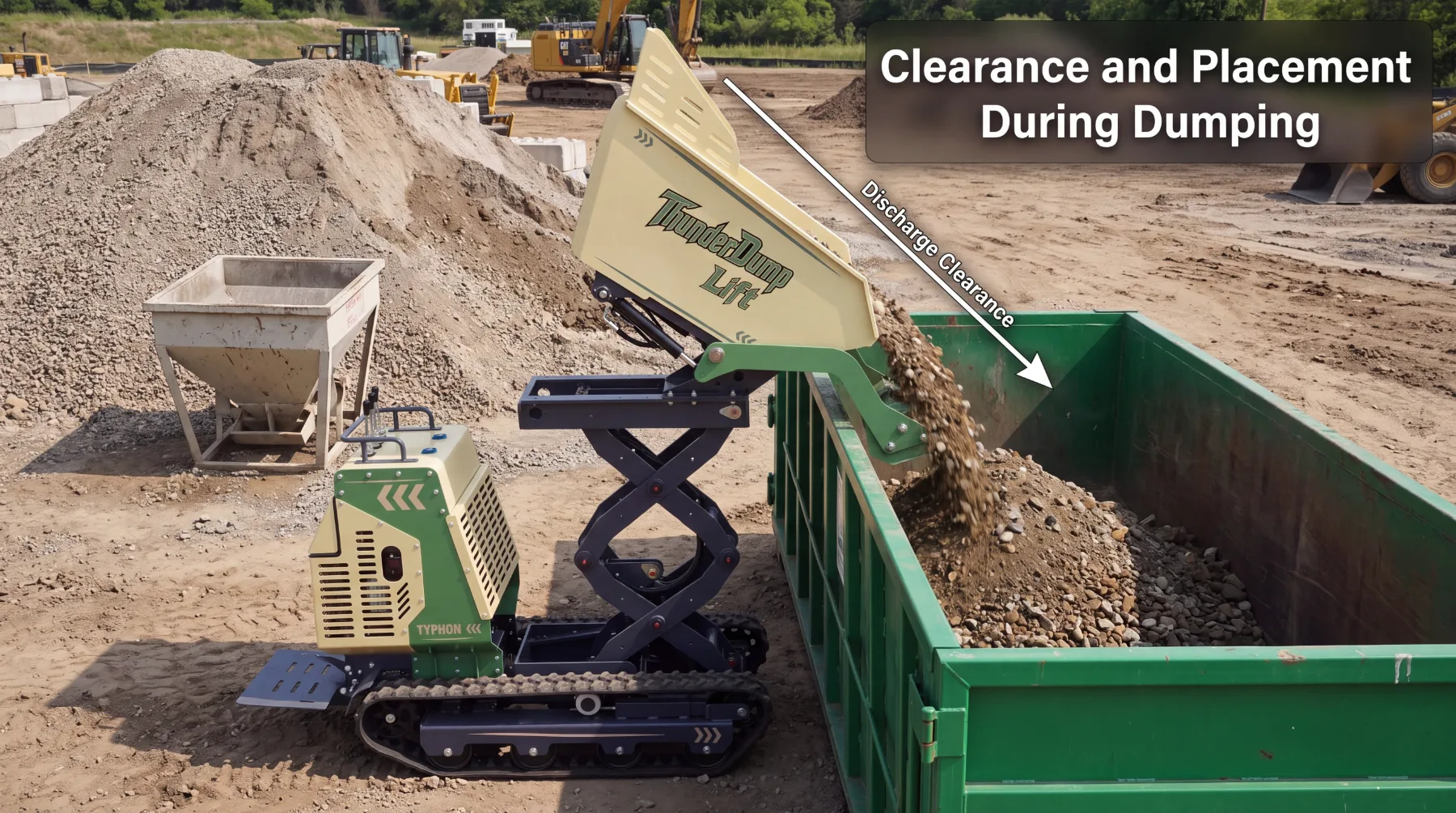
Dump angle affects more than how completely the bed empties. It also shapes where and how the material is discharged, which matters a great deal when you are unloading into a specific target. As the bed tilts, the material leaves from the raised end at a height and position determined partly by the angle. Understanding this helps operators place material accurately rather than simply dropping it wherever it falls. The height and position of the receiving area deserve careful thought during unloading. Several situations call for attention to how the dump angle affects placement: Trucks and trailers, where material must clear the side walls and land inside the bed rather than spilling over Containers and skips, which have defined openings that the discharge needs to reach cleanly Stockpiles, where controlled placement helps build the pile where you want it Confined receiving areas, where the position of the discharge affects whether material lands accurately When the dump angle raises the material to a suitable height, it can clear the edges of a truck or container and drop the load where it belongs. If the angle or reach falls short of what the receiving height requires, the material may not clear the target properly, leading to spillage and the cleanup that follows. Considering the height of your receiving areas alongside the dumper's discharge behavior helps you avoid these problems. Evaluating unloading performance therefore means looking at both discharge and placement together. A dumper that empties cleanly and delivers its load accurately into trucks, containers, or stockpiles keeps the work tidy and efficient. Matching the machine's dumping characteristics to the receiving areas you use most ensures material lands where you intend it, cycle after cycle.
Matching Dump Angle to Jobsite Requirements
The ideal dump angle is not a single fixed number. It depends on the specific demands of your work, which means the right choice comes from weighing several factors together. Material type, receiving height, bed design, and operating conditions all shape what dump angle your jobsite genuinely requires, and considering them as a connected whole leads to a dumper that unloads reliably. Each factor plays its part in the decision. Material type sets the baseline, since sticky or heavy loads call for a greater angle than free-flowing material. Receiving height matters because unloading into a tall truck or container demands enough angle and reach to clear the target, while a ground-level stockpile is more forgiving. Bed design influences how material flows out, as the shape and surface of the bed affect how readily a load slides free at a given angle. Operating conditions, including the terrain and the space available on site, round out the picture. Choosing a dumper with specifications suited to your intended application is what brings these factors into alignment. A machine whose dump angle and bed design match your typical material and receiving heights empties cleanly and places material accurately, which improves unloading consistency across every cycle. When the specifications fit the work, you spend far less time dealing with partial discharges and manual cleanup. The practical approach is to look honestly at the materials you handle, the heights you unload into, and the conditions you work in, then match the dumper's capabilities to those realities. A dumper suited to your application delivers dependable unloading day after day, reducing the effort of clearing stubborn loads and keeping your material handling smooth. That thoughtful match is the foundation of consistent, efficient unloading performance. Conclusion Dump angle plays a defining role in how well a dumper unloads its material. It determines how completely the bed empties, how different materials discharge, how quickly each cycle runs, and how accurately material lands in trucks, containers, and stockpiles. A suitable angle lets gravity clear the load cleanly, while an angle that falls short leaves residue, slows cycles, and adds cleanup. Matching the angle to your material, receiving height, bed design, and operating conditions is what delivers reliable performance. Before choosing your next dumper, take an honest look at the work you do. Consider the materials you carry, the heights you unload into, and the conditions of your sites, then match the machine's dump angle and bed design to those needs. When you get that match right, you gain a dumper that empties cleanly, cycles quickly, and keeps your material handling efficient. Reach out to discuss which dumper specifications best suit your application.
Frequently Asked Questions
1. What is dump angle and why does it matter for unloading? Dump angle refers to how far the dumper bed tilts during unloading, and it matters because that tilt is what sets material in motion. When the bed rises, gravity pulls the load toward the open end and guides it out of the bed. A suitable dump angle helps gravity move material efficiently and reduces the amount left behind once the load discharges. The relationship is direct: the steeper the tilt, the more force gravity applies, and the more readily the material slides free. A shallow angle may empty loose material well enough, but it can leave heavier or denser loads sitting in place because the slope is not steep enough to overcome the friction between the material and the bed surface. This is why dump angle has such a strong effect on clean unloading. A bed that reaches an adequate angle empties fully in one confident motion, while a bed that stops short discharges only part of the load and forces the operator to work the bed again or clear the rest by hand. Understanding this connection gives you a practical way to judge whether a dumper's tilt suits the material you handle. 2. Do different materials need different dump angles? Yes, different materials behave differently during unloading, so the dump angle a load needs depends heavily on what you are carrying. Dry gravel and sand flow freely and tend to discharge cleanly at a moderate angle, since there is little holding them to the bed. Soil unloads reasonably well when dry but grows heavier and less willing to move as its moisture content rises. Wet or sticky materials, such as clay, mud, and damp mixes, present the greatest challenge, because they cling to the bed surface through both weight and adhesion. These materials may require a greater dump angle to achieve a more complete discharge, since a shallow tilt often leaves a stubborn layer behind. A steeper angle gives gravity the leverage it needs to break that grip and pull the material free. Dense or compacted loads follow the same pattern, needing a steeper slope to overcome the friction holding them in place. This is worth keeping in mind when choosing or operating a dumper. If your work regularly involves sticky or heavy material, a machine capable of reaching a greater dump angle helps you empty the bed fully and avoid repeated cleanup, so matching angle capability to your materials keeps unloading clean. 3. How does dump angle affect cycle time and productivity? Dump angle affects cycle time because the unloading portion of every cycle depends on how quickly and completely the bed empties. A suitable dump angle helps shorten the time spent unloading, since material that flows out quickly and fully lets the operator move on without delay. When the bed reaches an angle well matched to the load, the discharge happens in a single decisive motion rather than a slow, partial release. Consider what happens when the angle falls short. The operator may have to hold the bed up longer, shake the load free, or tip and lower the bed more than once to clear it. Each of these steps adds time to the cycle, and across a full day of repeated trips, that lost time reduces productivity noticeably. A dumper that empties cleanly on the first tip keeps every cycle tight and predictable, letting you plan and pace the work reliably. This benefit compounds on high-volume work, where even a small improvement in unloading speed per cycle adds up to meaningful gains by the end of the shift. Choosing a dumper whose dump angle suits your material keeps each discharge quick and complete, which lowers cycle times and keeps the whole operation moving efficiently. 4. How does dump angle affect where material lands? Dump angle affects placement because it influences the height and position at which material leaves the bed. As the bed tilts, the load discharges from the raised end, and the angle helps determine whether that discharge clears and reaches your target. This matters a great deal when unloading into a specific receiving area rather than simply dropping material on the ground. When loading trucks and trailers, the material must clear the side walls and land inside the bed rather than spilling over. Containers and skips have defined openings that the discharge needs to reach cleanly, and stockpiles benefit from controlled placement that builds the pile where you want it. In confined receiving areas, the position of the discharge affects whether material lands accurately. When the dump angle raises the material to a suitable height, it can clear the edges of a truck or container and drop the load where it belongs. If the angle or reach falls short of what the receiving height requires, material may not clear the target properly, causing spillage and cleanup. Considering the height of your receiving areas alongside the dumper's discharge behavior helps you avoid these problems and place material accurately, cycle after cycle. 5. How do I choose a dumper with the right dump angle for my work? Choosing the right dump angle means weighing several factors together, since the ideal angle is not a single fixed number. Material type sets the baseline, because sticky or heavy loads call for a greater angle than free-flowing material like dry sand or gravel. Receiving height matters too, since unloading into a tall truck or container demands enough angle and reach to clear the target, while a ground-level stockpile is more forgiving. Bed design plays a role as well, because the shape and surface of the bed affect how readily a load slides free at a given angle. Operating conditions, including the terrain and the space available on your sites, round out the picture. The practical approach is to look honestly at the materials you handle most, the heights you unload into, and the conditions you work in, then match the dumper's specifications to those realities. A machine whose dump angle and bed design suit your application empties cleanly and places material accurately, which improves unloading consistency and reduces manual cleanup across every cycle. When the specifications fit the work, you spend far less time dealing with partial discharges and stubborn loads, giving you dependable unloading performance day after day.