September 29, 2026
Hydraulic pump flow
Learn how hydraulic pump flow, cylinder size, and engine power impact wheel loader lifting speed, cycle times, and overall jobsite productivity.
How Hydraulic Pump Flow Affects Wheel Loader Lifting Speed
Lifting speed is one of the clearest measures of how productive a wheel loaderfeels on the job. When the boom rises quickly and smoothly, cycle times shrink and more work gets done in a shift. Behind that speed sits the hydraulic system, and at its core is pump flow, the rate at which hydraulic fluid moves to the lifting cylinders. Understanding how flow shapes lift speedhelps you choose and operate a machine that delivers the responsiveness your work demands. This guide explains how hydraulic pump flow affects wheel loader lifting speed across five practical areas. You will learn how flow rate delivers fluid to the lifting system, how cylinder size influences piston speed, how engine power supports the pump, how load weight and operating conditions change performance, and how to match pump flow to your applications. By the end, you will have a clear, dependable view of what drives lifting speed and how to get the most from it.
Understanding Hydraulic Flow Rate
Hydraulic pump flow determines how much hydraulic fluid reaches the loader's lifting system over a given period, and this rate sits at the foundation of lifting speed. When you raise the boom, the pump pushes fluid into the lifting cylinders, and that fluid is what drives the pistons and moves the load. The more fluid the pump delivers per unit of time, the faster the cylinders can extend, which is why flow rate has such a direct influence on how quickly the loader lifts. Flow is typically measured in units such as gallons or liters per minute, and it describes the volume of fluid the pump moves as it operates. A pump with a higher flow rate can supply the cylinders with fluid more rapidly, allowing the lifting movement to happen at a quicker pace. This is the basic relationship at the heart of hydraulic lifting: fluid in equals movement out, and the speed of that movement follows the speed at which fluid arrives. The important qualifier is that higher flow only produces faster lifting when the rest of the system is properly matched. The pump feeds fluid through valves, hoses, and fittings on its way to the cylinders, and every part of that path has to handle the flow without creating a bottleneck. If the valves or lines restrict the fluid, the extra flow cannot reach the cylinders effectively, and the speed benefit is lost. When the whole system is engineered to work together, though, higher flow translates into the responsive, faster lifting that keeps a loader productive across long working days.
Hydraulic Cylinder Size and Lift Speed
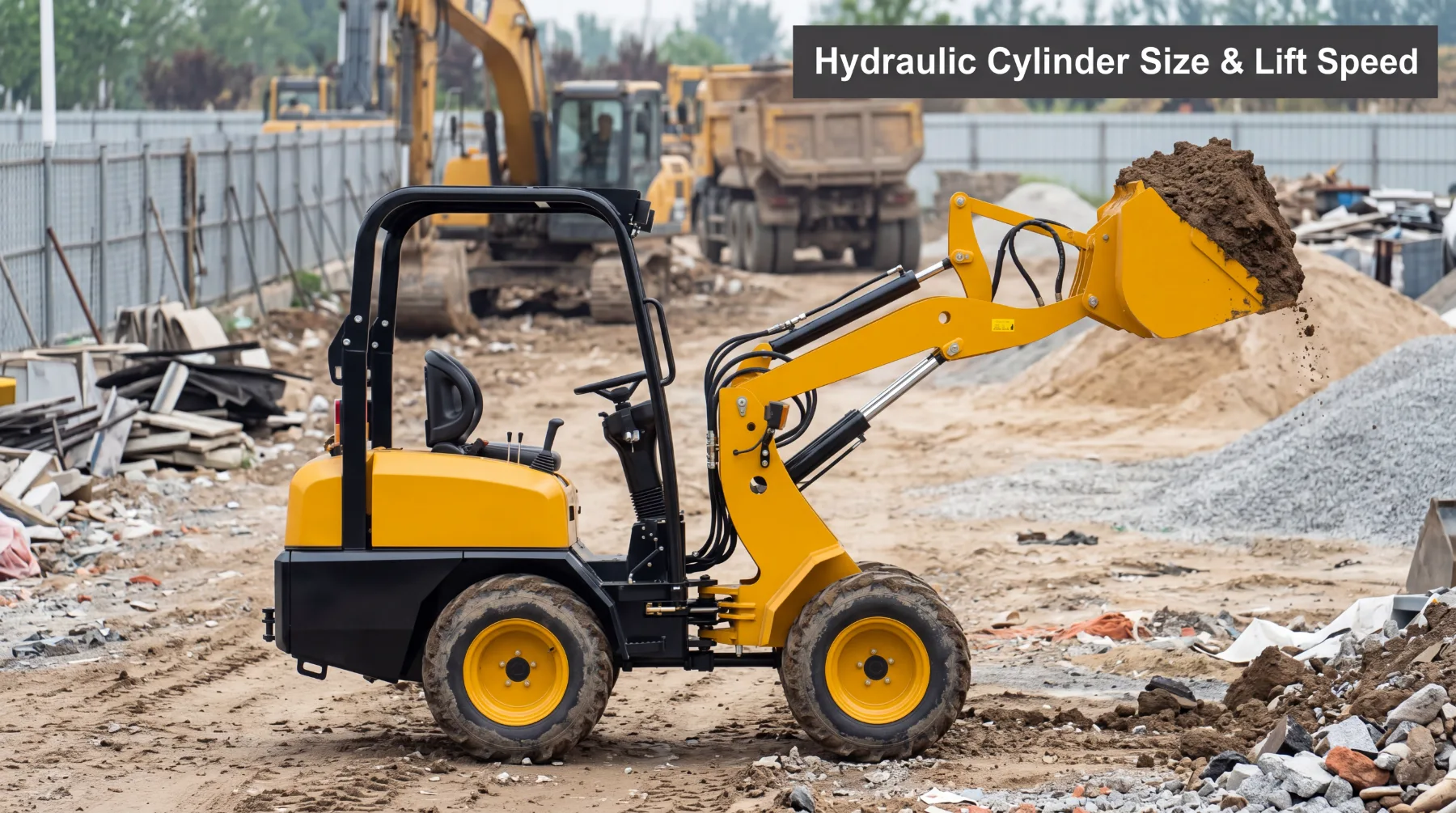
Cylinder dimensions also affect lifting speed, because the same hydraulic flow produces different piston speeds depending on the cylinder's area. A hydraulic cylinder works by filling with fluid to extend the piston, and how quickly it fills depends on both the flow arriving and the volume the cylinder needs to fill. When you understand this relationship, it becomes clear why flow rate alone does not tell the whole story of how fast a loader lifts. The key point is straightforward. A given flow of fluid fills a smaller-bore cylinder faster than a larger one, because the smaller cylinder needs less volume to move the piston through its stroke. Larger cylinders require more fluid volume to complete the same stroke, so with an identical flow rate, a larger cylinder extends more slowly than a smaller one. This is the practical trade-off engineers balance when designing a lifting system. Consider how cylinder size shapes performance: Cylinder bore, since a larger bore means more area to fill and a slower piston speed at the same flow rate Stroke length, because a longer stroke requires more total fluid to complete each full extension Fluid volume per stroke, which rises as cylinder size grows and directly affects how quickly the cylinder can cycle There is a reason larger cylinders are used despite their slower speed at a given flow. A larger cylinder area can generate greater lifting force from the same hydraulic pressure, which matters a great deal when the loader handles heavy loads. So cylinder sizing is a balance between the force the machine needs and the speed the operator wants. Matching flow rate to cylinder size is what allows a loader to deliver both the lifting power and the responsive speed a job calls for.
Engine Power and Hydraulic System Demand
The engine must provide enough power to drive the hydraulic pump while the loader is performing lifting operations, which makes engine capability a critical part of the lifting-speed equation. The pump does not create energy on its own. It converts mechanical power from the engine into hydraulic flow and pressure. When the loader lifts a heavy load, the pump demands more power from the engine to keep fluid moving at the required rate and pressure, and the engine has to answer that demand to maintain performance. This relationship becomes most apparent under heavy loads. Lifting a full bucket calls for both adequate flow to move the cylinders and sufficient pressure to overcome the weight, and delivering both at once places a real demand on the engine. If the engine has the power to drive the pump fully under that load, the loader maintains its lifting speed and holds its performance steady. The system works as intended, and the operator feels consistent, confident lifting. Insufficient engine power tells a different story. When the engine cannot fully power the pump under a heavy load, the system's ability to maintain hydraulic performance suffers. Lifting can slow, the movement may feel less responsive, and the loader struggles to deliver the speed it manages with lighter loads. This is why engine power and hydraulic capacity have to be considered together rather than in isolation. A pump sized for high flow needs an engine capable of driving it, particularly when the work is demanding. When the engine and hydraulic system are well matched, the loader sustains dependable lifting speed even as loads grow heavier, which is exactly what productive work requires from the machine throughout the day.
Load Weight and Operating Conditions
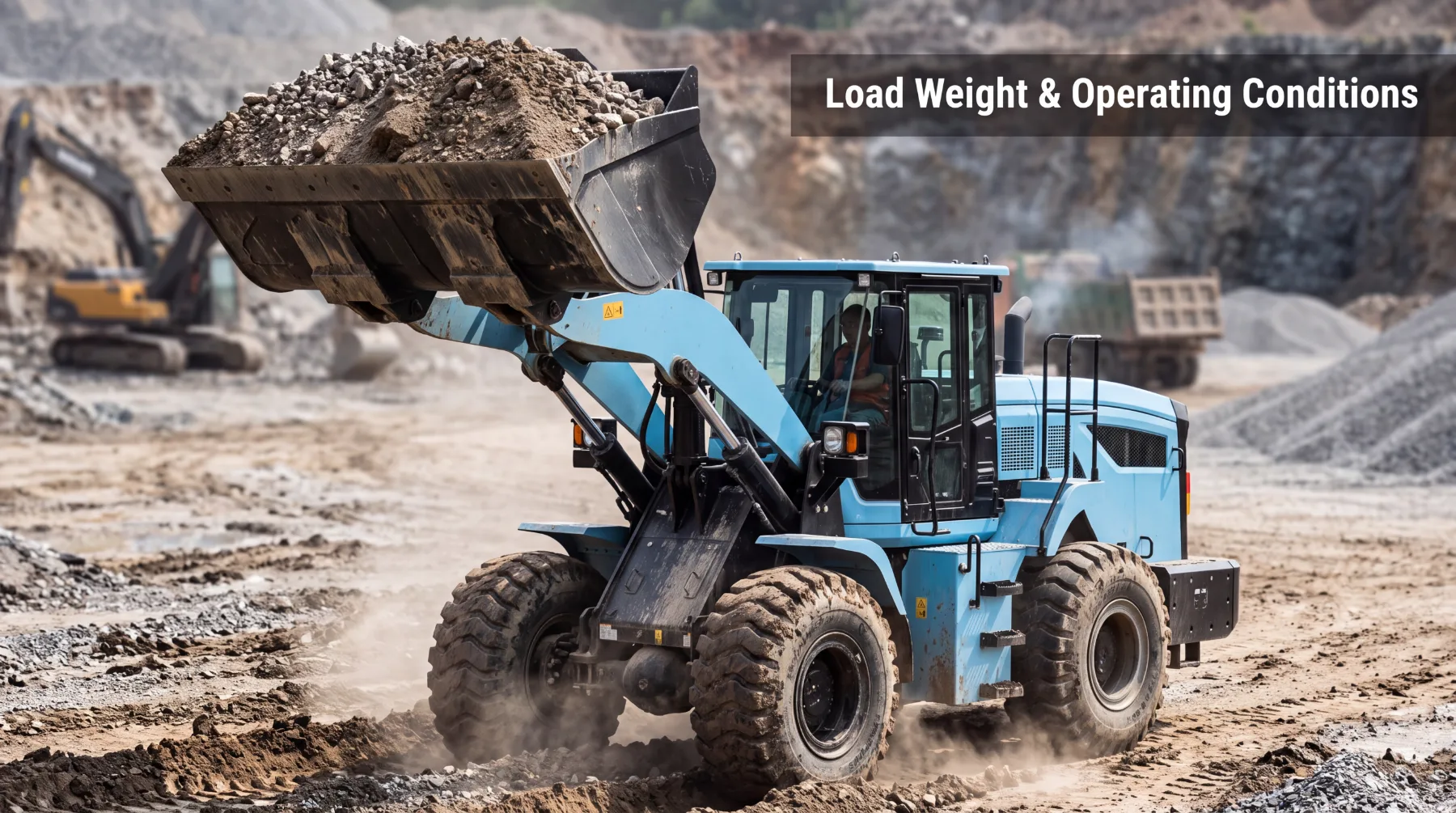
Lifting speed can change noticeably when the loader handles different loads or works under varying hydraulic pressures, so real-world performance is not a single fixed number. On the job, the weight in the bucket changes from cycle to cycle, and the hydraulic system responds to each load differently. Understanding how load weight and operating conditions influence lifting speed helps set realistic expectations and guides how the machine is used. Load weight is the most direct factor. Heavy loads may require greater hydraulic pressure to lift, because the system has to generate enough force to overcome the weight before the cylinders can move. As the load grows, the pressure demand rises, and this can affect overall system performance. A loader that lifts an empty bucket quickly may lift a heavy load more slowly, since more of the system's capacity goes toward producing the pressure needed to raise the weight rather than simply moving fluid at speed. Operating conditions add further variation. Several factors shape how the system performs from one moment to the next: Load weight, which determines how much pressure the system must generate to lift Hydraulic pressure demand, since heavier loads draw more pressure and can slow the pace of lifting Working conditions, including fluid temperature and overall system state, which influence how the hydraulics respond When these factors combine, the loader's lifting speed reflects the real demands placed on it rather than an ideal figure. A machine working near its capacity naturally performs differently from one handling light loads, and that is normal behavior for a hydraulic system responding to changing pressure. Recognizing how load weight and conditions affect lifting speed helps operators work efficiently and choose a machine with the hydraulic capacity to handle their typical loads at a productive pace.
Matching Pump Flow to Loader Applications
Choosing an appropriate hydraulic flow rate means looking at the loader's pump, cylinders, valves, engine, and intended workload as a complete system rather than focusing on any single specification. Lifting speed is the product of all these components working together, so a flow rate that suits one machine and application may not suit another. The goal is a balanced system in which every part complements the others and delivers the performance the work requires. Each component plays its part in this balance. The pump sets the flow available, the cylinders determine how that flow translates into piston speed and lifting force, and the valves must handle the flow without restriction. The engine has to supply enough power to drive the pump under load, and the intended workload defines how much lifting force and speed the machine actually needs. When these elements are matched, the loader lifts responsively without straining any part of the system. The intended workload should anchor the whole decision. A loader handling frequent heavy lifting has different needs from one performing lighter, faster cycles, and the hydraulic system should reflect that reality. Matching flow to the application avoids two common pitfalls: a system that cannot deliver the speed the work demands, and one that pushes for more flow than the components can effectively use, placing unnecessary demands on the hydraulics. Properly matched components provide responsive lifting while keeping the system operating within its comfortable range. When you weigh pump, cylinders, valves, engine, and workload together, you arrive at a loader whose lifting speed and force suit your work, giving you dependable, efficient performance you can count on cycle after cycle. Conclusion Hydraulic pump flow plays a central role in wheel loader lifting speed, but it delivers its best as part of a balanced system rather than a single figure. Flow rate determines how quickly fluid reaches the cylinders, while cylinder size shapes how that flow becomes piston speed and lifting force. Engine power must drive the pump to sustain performance under load, and load weight and operating conditions influence how the system responds from one cycle to the next. Matching all these components to your workload is what produces responsive, dependable lifting. Before selecting your next wheel loader, take an honest look at the lifting your work involves. Consider the weight of your typical loads, the speed your cycles demand, and how the pump, cylinders, valves, and engine fit together as a system. When these elements align with your application, you gain a machine that lifts quickly, handles heavy loads confidently, and keeps your work moving efficiently throughout the day.
Frequently Asked Questions
1. How does hydraulic pump flow affect a wheel loader's lifting speed? Hydraulic pump flow directly affects lifting speed because it determines how much hydraulic fluid reaches the lifting cylinders over a given period. When you raise the boom, the pump pushes fluid into the cylinders, and that fluid drives the pistons and moves the load. The more fluid the pump delivers per unit of time, the faster the cylinders can extend, so a higher flow rate generally allows quicker lifting. Flow is usually measured in gallons or liters per minute, describing the volume of fluid the pump moves as it operates. There is an important condition to keep in mind, however. Higher flow only produces faster lifting when the rest of the system is properly matched. The fluid travels through valves, hoses, and fittings on its way to the cylinders, and every part of that path must handle the flow without creating a restriction. If the valves or lines cannot pass the extra flow, the speed benefit is lost. When the whole system is engineered to work together, higher flow translates into the responsive, faster lifting that keeps a loader productive throughout the working day. 2. Why do larger hydraulic cylinders sometimes lift more slowly? Larger hydraulic cylinders can lift more slowly because the same hydraulic flow produces different piston speeds depending on the cylinder's area. A cylinder extends by filling with fluid, and how quickly it fills depends on both the flow arriving and the volume the cylinder needs to fill. A given flow fills a smaller-bore cylinder faster than a larger one, because the smaller cylinder requires less volume to move the piston through its stroke. Larger cylinders need more fluid volume to complete the same stroke, so at an identical flow rate, a larger cylinder extends more slowly. This might seem like a disadvantage, but larger cylinders are used for a good reason. A larger cylinder area can generate greater lifting force from the same hydraulic pressure, which matters when the loader handles heavy loads. Cylinder sizing is therefore a balance between the lifting force the machine needs and the speed the operator wants. Matching the flow rate to the cylinder size allows the loader to deliver both adequate lifting power and responsive speed, which is why engineers weigh these factors together when designing a lifting system. 3. How does engine power influence hydraulic lifting performance? Engine power influences hydraulic lifting performance because the engine must drive the hydraulic pump during lifting operations. The pump does not create energy on its own. It converts mechanical power from the engine into hydraulic flow and pressure. When the loader lifts a heavy load, the pump demands more power from the engine to keep fluid moving at the required rate and pressure, and the engine must meet that demand to maintain performance. This becomes most apparent under heavy loads, where the system needs both adequate flow to move the cylinders and sufficient pressure to overcome the weight. If the engine has the power to drive the pump fully, the loader maintains its lifting speed and delivers consistent performance. If engine power is insufficient, the system's ability to maintain hydraulic performance suffers, and lifting can slow or feel less responsive under heavy loads. This is why engine power and hydraulic capacity should be considered together. A pump sized for high flow needs an engine capable of driving it, especially during demanding work. When the two are well matched, the loader sustains dependable lifting speed even as loads grow heavier. 4. Why does lifting speed change with different load weights? Lifting speed changes with different load weights because heavier loads require greater hydraulic pressure to lift. Before the cylinders can move, the system has to generate enough force to overcome the weight, and as the load grows, the pressure demand rises. This can affect overall system performance, so a loader that raises an empty bucket quickly may lift a heavy load more slowly. The reason is that more of the system's capacity goes toward producing the pressure needed to raise the weight rather than simply moving fluid at speed. This is normal behavior for a hydraulic system responding to changing demands. Operating conditions add further variation beyond load weight alone. Factors such as hydraulic pressure demand, fluid temperature, and the overall state of the system all influence how the hydraulics respond from one moment to the next. When these factors combine, the loader's lifting speed reflects the real demands placed on it rather than an ideal figure. A machine working near its capacity naturally performs differently from one handling light loads. Recognizing this helps operators set realistic expectations and choose a machine with the hydraulic capacity to handle their typical loads at a productive pace. 5. How do I choose the right pump flow for my loader application? Choosing the right pump flow means considering the loader's pump, cylinders, valves, engine, and intended workload as a complete system rather than focusing on any single specification. Lifting speed is the product of all these components working together, so a flow rate that suits one machine and application may not suit another. Each part plays a role: the pump sets the available flow, the cylinders determine how that flow becomes piston speed and lifting force, the valves must handle the flow without restriction, and the engine must supply enough power to drive the pump under load. The intended workload should anchor the decision, since a loader handling frequent heavy lifting has different needs from one performing lighter, faster cycles. Matching flow to the application avoids two common problems: a system that cannot deliver the speed the work demands, and one that pushes for more flow than the components can effectively use, placing unnecessary strain on the hydraulics. Properly matched components provide responsive lifting while keeping the system operating within its comfortable range. When you weigh all these elements together against your typical work, you arrive at a loader whose lifting speed and force genuinely suit your application.