September 5, 2026
Skid Steer Engine Cooling: Maximizing Long-Hour Productivity
Discover how skid steer engine cooling capacity, radiator maintenance, and hydraulic heat management impact heavy equipment productivity and prevent downtime.
Skid Steer Engine Cooling, Skid Steer Overheating.
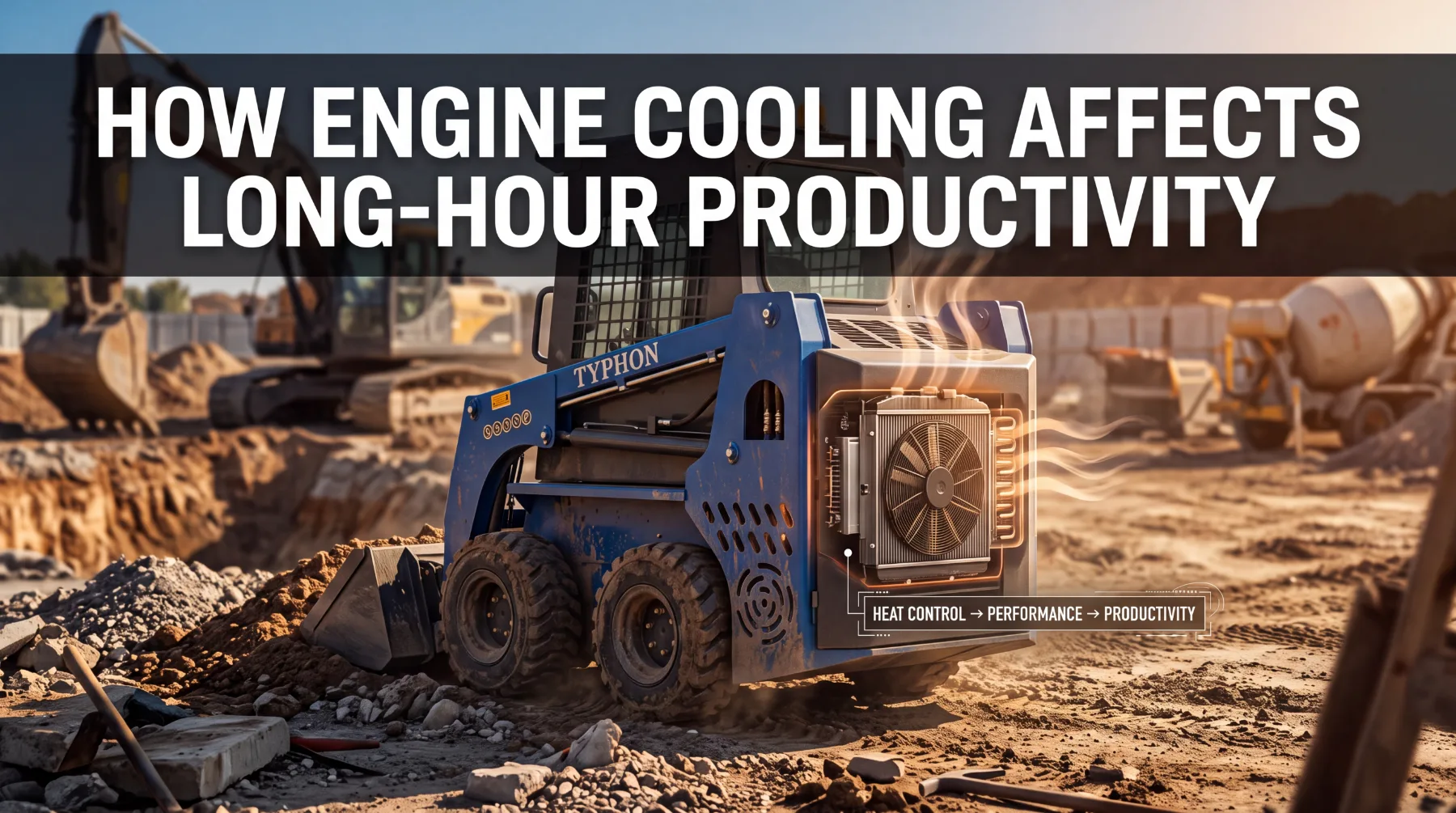
A skid steer proves its worth on long, demanding shifts, but sustained work generates heat that never stops building. The engine, the hydraulics, and the harsh conditions these machines operate in all add to the thermal load, and the cooling system is what keeps that load from cutting your day short. When cooling falls behind, performance drops, warnings appear, and the machine sits idle when it should be working. Understanding how engine cooling affects productivity helps you keep your skid steer running strong from the first hour to the last. Here is what matters most. Cooling CapacitySupports Consistent Engine Performance An engine performs best within a specific temperature range, and holding it there is the cooling system's core job. During long working periods, the engine produces heat continuously as it burns fuel and drives the machine through demanding tasks. An effective cooling system removes that heat at the same rate it is generated, keeping temperatures within the proper operating range. This balance is what allows a skid steer to maintain consistent performance under sustained loads rather than fading as the shift wears on. Consistency matters more than most operators realize. An engine held at its ideal temperature delivers steady power, predictable response, and efficient fuel use throughout the day. When temperatures climb beyond that range, the engine may lose power, run less efficiently, or trigger protective measures that limit output. The difference shows up directly in productivity, since a machine that holds its performance moves more material and completes more work than one that slows as it heats up. Adequate cooling capacity becomes especially important during continuous, heavy operation. A skid steer used for quick, occasional tasks rarely pushes its cooling system hard, because the engine has time to shed heat between jobs. A machine working flat out for hours, by contrast, relies on its cooling system to keep pace with relentless heat generation. When the cooling capacity is matched to that kind of demand, the engine stays within its comfort zone even on the hardest days. That steady operating temperature is the foundation of dependable, all-day performance, giving you a machine you can count on when the work never lets up and the shift runs long.
Radiator Condition Affects Heat Dissipation
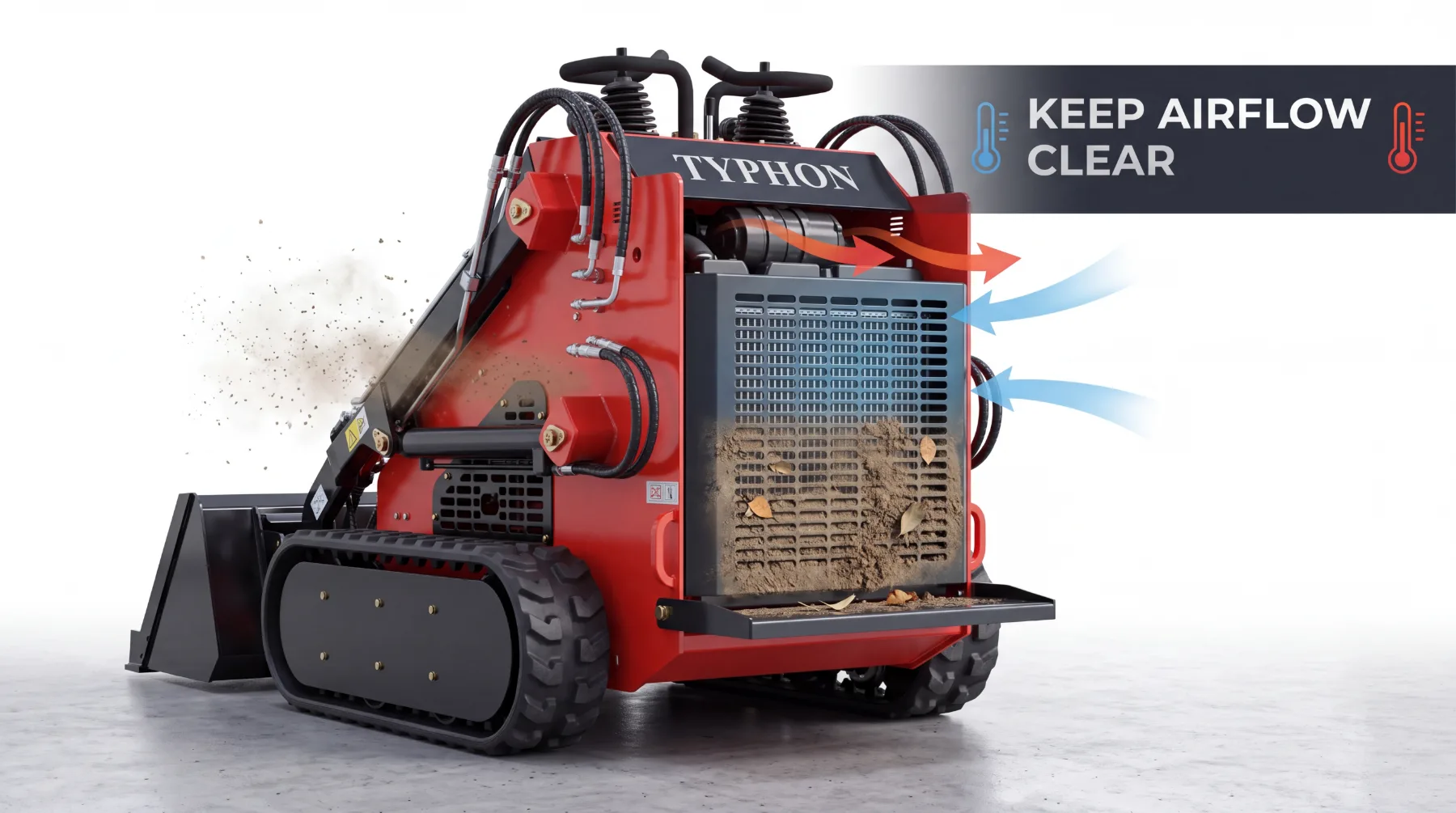
The radiator carries much of the responsibility for removing engine heat, and its condition has a direct effect on how well it does that job. The radiator relies on a steady flow of air passing through its core to carry heat away from the coolant. Anything that blocks that airflow reduces the radiator's ability to dissipate heat, so heat that should be leaving the engine stays trapped inside it instead. On a working skid steer, keeping that airflow clear is one of the simplest ways to protect performance. Skid steers operate in some of the dustiest, dirtiest environments around, which makes restricted airflow a constant threat. Dust, dirt, and debris accumulate on the radiator fins and core, forming an insulating layer that blocks air and slows heat transfer. On a busy jobsite, a radiator that started the day clean can become significantly clogged within hours, quietly cutting cooling efficiency exactly when the machine needs it most. The result is rising temperatures that undermine the engine's performance and edge the machine toward overheating. Keeping the radiator and surrounding cooling surfaces clean prevents this gradual loss of cooling capacity. Regular cleaning clears the fins and core so air can move freely and carry heat away efficiently. On especially dirty sites, checking and clearing the radiator more than once a day keeps temperatures under control when conditions are toughest. This kind of routine attention costs little time yet pays off directly in reliable operation. Even a properly sized radiator cannot protect the engine if debris chokes its airflow, so keeping those cooling surfaces clear is essential. A clean radiator dissipates heat the way it was designed to, helping the skid steer hold steady temperatures through long, demanding workdays.
Hydraulic Heat Adds to the Cooling Challenge
The engine is not the only source of heat during extended skid steer operation. The hydraulic system generates a great deal of heat as well, and any discussion of cooling has to account for it. As hydraulic oil moves under pressure through the pump, valves, cylinders, and hoses, friction and resistance turn some of that energy into heat. During continuous work, that heat builds steadily, adding to the thermal load the cooling system must manage alongside the engine's own output. This combined demand is what makes cooling capacity so important during sustained operation. A skid steer running demanding attachments such as mulchers, cold planers, or trenchers keeps its hydraulics loaded almost constantly, producing significant heat with little pause. Add that to the heat the engine generates, and the cooling system faces a substantial task. On many machines, the cooling package handles both engine coolant and hydraulic oil, so the two heat sources compete for the same cooling capacity. When the machine works hard for hours, both must be kept in check at once. Understanding this shared load helps explain why cooling matters so much for productivity. A cooling system sized only for the engine, without regard for hydraulic heat, can fall behind when both sources run hot together. A properly matched system, by contrast, has the capacity to manage engine and hydraulic heat simultaneously, keeping temperatures stable even during heavy, continuous work. This protects both the engine and the hydraulic components, since overheated oil thins out and loses its ability to protect and perform. When you consider the demands of your work, especially the attachments you run and how long you run them, you can be sure the cooling system has the capacity to handle the full heat load your machine actually produces.
Overheating Can Reduce Working Productivity
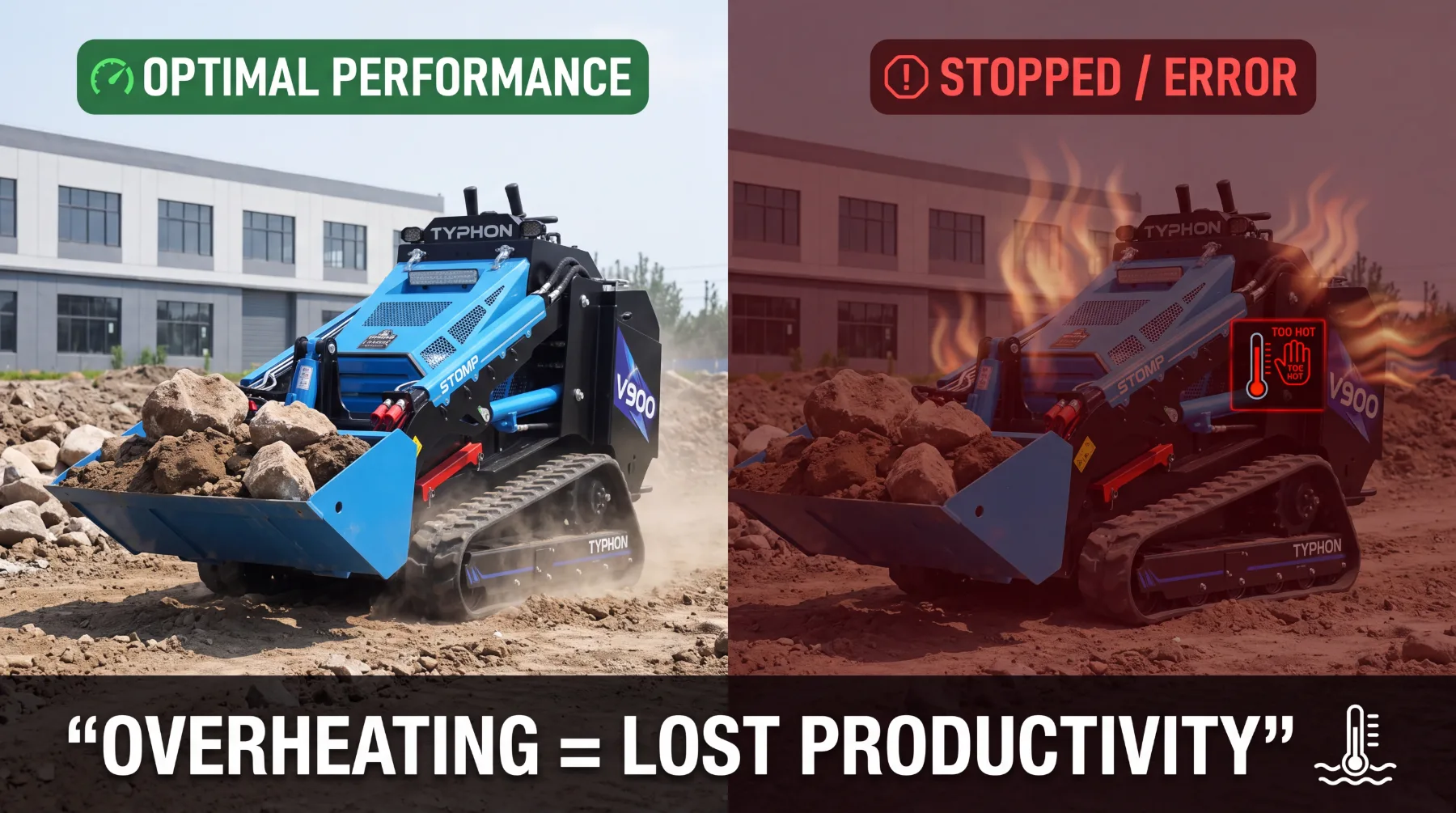
Overheating is more than a mechanical concern. It is a direct threat to how much work your skid steer completes in a day. When temperatures climb beyond the safe range, the machine responds in ways designed to protect itself, and every one of those responses costs you productive time. Reduced performance, warning systems, and unplanned downtime all trace back to heat that the cooling system could not keep under control, turning a productive shift into a series of interruptions. The effects of overheating tend to escalate as temperatures rise: Reduced performance: many machines automatically limit engine power or hydraulic output as they overheat, slowing the work to protect components. Warning systems: temperature warnings and alarms demand the operator's attention and often require pausing the task to address the cause. Unplanned downtime: severe overheating can force a complete shutdown, stopping work entirely until the machine cools and the problem is resolved. Each of these outcomes cuts into the hours you count on the machine to work. A skid steer that must slow down, pause, or shut off to manage heat simply moves less material and completes fewer tasks. On a tight schedule, those interruptions add up quickly, delaying jobs and raising costs. Overheating can also cause lasting damage if it goes unchecked, turning a productivity problem into an expensive repair. A reliable cooling system prevents these disruptions by keeping temperatures where they belong. When the cooling system handles the heat load dependably, the machine keeps working instead of stopping to cool down. That uninterrupted operation is exactly what long-hour productivity depends on, letting your skid steer spend its time doing the work you need rather than protecting itself from heat it should never have reached.
Cooling Maintenance Protects Long-Hour Operation
Dependable cooling does not happen by accident. It comes from regular maintenance that keeps every part of the system working as intended. Preventive checks allow you to catch small problems before they grow into failures that stop the machine, which is exactly what long-hour operation requires. A cooling system inspected and maintained on a sensible schedule holds its performance shift after shift, supporting the reliable, all-day productivity you depend on. Several components deserve routine attention, and checking them takes only a little time compared to the cost of a breakdown: Coolant levels: low coolant reduces the system's ability to absorb and carry away heat, so levels should be checked and topped up regularly. Radiator airflow: clearing dust and debris from the radiator and cooling surfaces keeps air moving freely through the core. Hoses and connections: inspecting for leaks, cracks, or loose fittings prevents coolant loss that can lead to overheating. Cooling components: checking the fan, belts, and other parts ensures the whole system continues to function properly. Catching these issues early is far better than discovering them when the machine overheats mid-task. A slow coolant leak, a clogged radiator, or a worn belt gives warning signs during inspection long before it forces a shutdown on the jobsite. Addressing them during scheduled maintenance keeps the machine available when you need it most, rather than sidelined at an inconvenient moment. This kind of preventive care is a straightforward investment in reliability. By keeping the cooling system in good condition, you help the skid steer maintain steady temperatures through the longest, most demanding workdays. Regular attention protects both productivity and the machine itself, giving you dependable performance you can count on throughout every extended shift. Conclusion Engine cooling plays a larger role in skid steer productivity than its quiet operation suggests. Adequate cooling capacity keeps the engine performing consistently, a clean radiator dissipates heat effectively, and a properly matched system manages the added burden of hydraulic heat during continuous work. When cooling falls short, overheating slows the machine, triggers warnings, and forces downtime that cuts directly into your output. The dependable answer is a well-maintained cooling system, with regular checks of coolant, airflow, hoses, and components. Keep cooling capacity matched to your work and maintenance current, and your skid steer will deliver reliable, productive performance through the longest workdays.
Frequently Asked Questions
1. Why is engine cooling so important during long skid steer shifts? An engine performs best within a specific temperature range, and long shifts generate heat continuously as the machine works. An effective cooling system removes that heat as fast as it builds, keeping the engine in its proper operating range. This lets the skid steer maintain consistent power, response, and fuel efficiency under sustained loads. When cooling falls behind, the engine may lose power, run less efficiently, or trigger protective measures that limit output. Steady operating temperature is the foundation of dependable, all-day performance, especially when the work is heavy and the shift runs long. 2. How does a dirty radiator affect cooling performance? The radiator relies on steady airflow through its core to carry heat away from the coolant. Skid steers work in dusty, dirty conditions, so dust and debris accumulate on the radiator fins and core, forming an insulating layer that blocks air and slows heat transfer. A radiator that started the day clean can become significantly clogged within hours, quietly reducing cooling efficiency when the machine needs it most. This drives temperatures up and pushes the machine toward overheating. Cleaning the radiator and surrounding surfaces regularly, and more often on dirty sites, keeps air moving freely and heat dissipating properly. 3. Does hydraulic heat really add to the cooling load? Yes. The engine is not the only heat source during extended operation. As hydraulic oil moves under pressure through the pump, valves, cylinders, and hoses, friction and resistance turn some of that energy into heat, which builds steadily during continuous work. Demanding attachments like mulchers and trenchers keep the hydraulics loaded almost constantly, adding significant heat. On many machines, the cooling package handles both engine coolant and hydraulic oil, so the two compete for the same capacity. A properly matched system manages both heat sources at once, keeping temperatures stable during heavy, sustained work. 4. What happens to productivity when a skid steer overheats? Overheating triggers protective responses that all cost working time. Many machines automatically limit engine power or hydraulic output as they heat up, slowing the work. Temperature warnings and alarms demand attention and often require pausing the task. In severe cases, the machine may shut down entirely until it cools and the problem is resolved. Each of these interruptions means less material moved and fewer tasks completed, which delays jobs and raises costs. Overheating can also cause lasting damage if ignored. A reliable cooling system prevents these disruptions, letting the machine keep working instead of stopping to cool down. 5. What cooling maintenance keeps a skid steer productive on long days? Regular preventive checks catch small problems before they stop the machine. Check coolant levels routinely, since low coolant reduces the system's ability to carry away heat. Clear dust and debris from the radiator and cooling surfaces so air moves freely through the core. Inspect hoses and connections for leaks, cracks, or loose fittings that can cause coolant loss. Check the fan, belts, and other cooling components to ensure the whole system works properly. Addressing issues like a slow leak, a clogged radiator, or a worn belt during scheduled maintenance keeps the machine available and reliable throughout extended workdays.