September 22, 2026
Road roller engine power distribution
Learn how road roller engine power distribution balances driving propulsion and drum vibration for maximum compaction depth, smooth travel, and long service life.
How Road Roller's Engine Power Is Distributed Between Driving and Vibration Systems
A road roller has two demanding jobs to perform at the same time. It must move steadily across the ground, and it must generate the force that compacts the material beneath it. Both tasks draw on a single source: the engine. How that engine power gets split between driving the machine and powering the vibration system shapes everything about compaction quality, productivity, and the machine's ability to handle tough conditions. Understanding this balance helps you choose the right roller and get the most from the one you own. This guide walks through how engine power flows to the drive system, how the vibration system draws its share, how hydraulics transfer that power efficiently, why power balance matters for compaction, and how to match engine output to your work. By the end, you'll see why engine power is the foundation of dependable compaction, and what to look for when it counts.
Engine Power Starts With the Drive System
The first demand on a road roller's engine is movement. Before the machine can compact anything, it has to travel across the jobsite in a smooth, controlled manner, and that motion depends entirely on the power the engine delivers to the drive system. The drive system converts engine output into the steady propulsion that carries the roller forward and back across the surface being worked. When this power flows reliably, the machine moves at a consistent, controllable pace, which is exactly what quality compaction requires. Controlled travel matters more than raw speed. A roller that lurches, hesitates, or struggles to hold a steady pace produces uneven results, because compaction depends on covering the surface at a consistent rate. The engine must supply enough power for the drive system to maintain that even movement whether the machine is loaded, working a long stretch, or changing direction. Smooth starts and stops protect the surface too, since sudden movements can disturb freshly laid material rather than compacting it cleanly. The demand on the drive system grows sharply on difficult ground. Working on slopes, soft fill, or uneven surfaces requires considerably more power to keep the machine moving under control. A few conditions place particular strain on the drive system: Slopes and grades where the machine must climb while maintaining traction and control Uneven surfaces that demand steady power to keep travel smooth over dips and ridges Soft or loose ground where extra effort is needed to move without slipping or bogging down Long working stretches that call for sustained, dependable propulsion throughout the shift When the engine provides ample power to the drive system, the roller handles these conditions confidently, moving with the control that consistent compaction depends on from the first pass to the last.
Vibration System Draws Power From the Engine
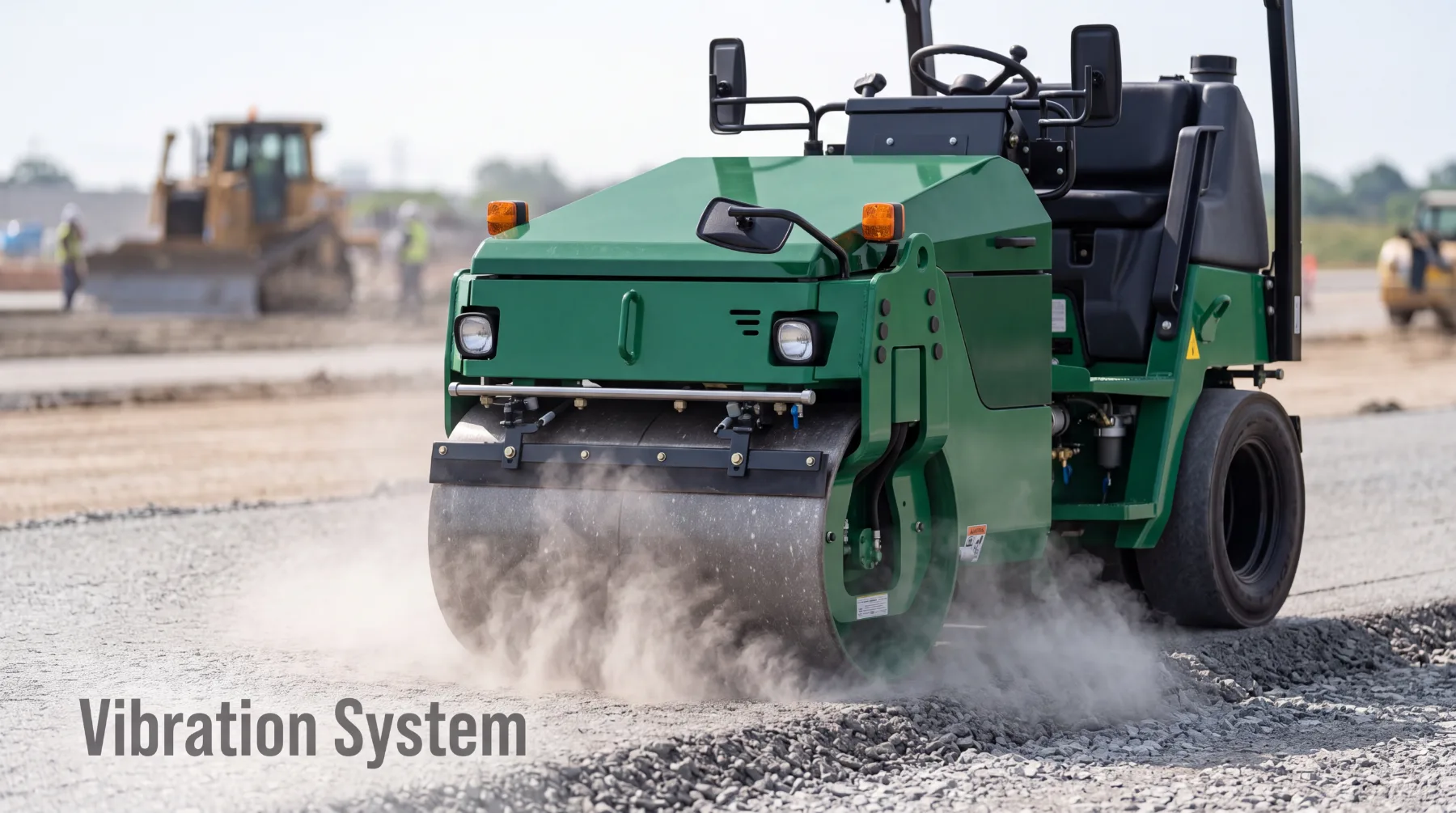
Movement alone doesn't compact material. The real compaction work comes from the vibration system, and it draws its own significant share of the engine's power. As the roller travels, part of the available engine output is directed to operate the vibration mechanism inside the drum. This system spins eccentric weights at high speed, generating rapid vibrations that pass through the drum and into the material below. Those vibrations are what settle and densify soil, gravel, or asphalt into a firm, stable surface. This dual demand is the heart of how a road roller uses its engine. At any moment during active compaction, the engine is powering two systems at once: the drive system that moves the machine and the vibration system that does the compacting. Both draw from the same source simultaneously, which is why engine power is so central to a roller's performance. The drum's ability to generate compaction force depends directly on the power reaching the vibration system. Different materials place different demands on the vibration system: Soil and subgrade require strong vibration to compact deep layers into a stable base Gravel and aggregate need consistent force to lock particles tightly together Asphalt calls for controlled vibration to achieve density without damaging the surface The force the drum produces has to remain steady for compaction to be uniform. If the vibration system loses power or runs inconsistently, the resulting surface can end up unevenly compacted, with weak spots that compromise the finished work. This is why the engine must have enough capacity to feed the vibration system fully, even while it simultaneously powers the machine's travel. When both demands are met, the drum delivers the reliable, consistent force that turns loose material into a durable, well-compacted surface.
Hydraulic Systems Help Transfer Power
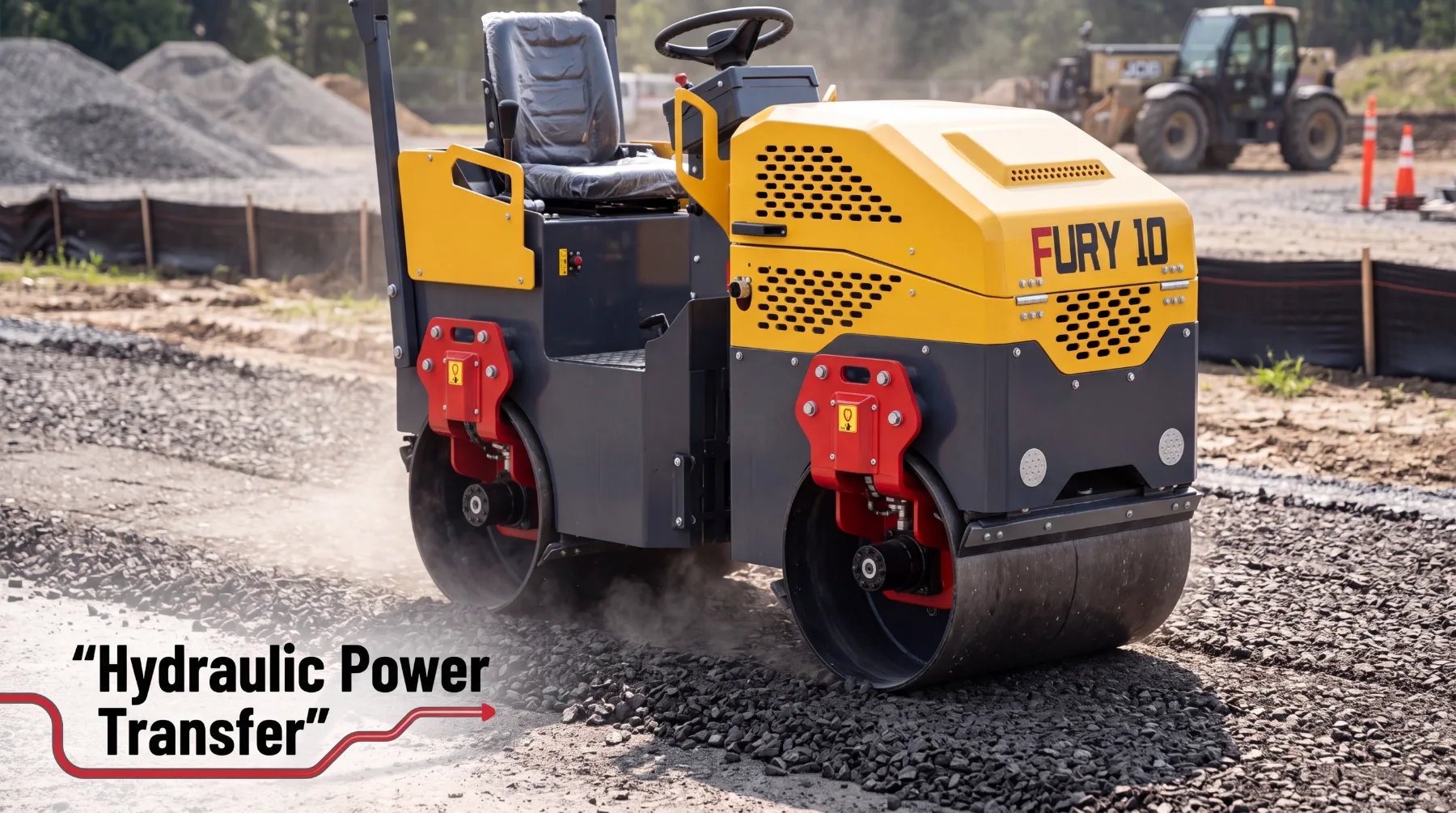
The engine produces power, but that power has to reach the drive and vibration systems in a controlled, usable form. On many road rollers, hydraulic components handle this critical job. The hydraulic system acts as the network that distributes engine power to the machine's functions, converting raw engine output into the fluid pressure and flow that drive propulsion and vibration. Think of the engine as the source and the hydraulics as the delivery system that routes power precisely where it's needed. Efficient hydraulic operation is what keeps both systems performing well at the same time. When hydraulic pressure and flow stay steady, the drive system receives the power it needs for smooth travel while the vibration system receives its share for consistent drum force. This coordinated delivery allows the roller to move and compact simultaneously without either function robbing the other. A well-matched hydraulic system makes that balance possible, transferring power cleanly so the whole machine works in harmony. Several elements determine how effectively the hydraulic system does its job: System pressure, which sets the force available to drive and vibration functions Flow rate, which affects how smoothly and responsively each system operates Component condition, including pumps, motors, hoses, and seals that must stay in good repair Fluid quality, since clean, correct hydraulic fluid keeps the system efficient and protected When any of these falls out of balance, performance suffers across the board. Low pressure or restricted flow can leave the vibration system unable to generate full force, or the drive system unable to maintain steady travel, wasting engine power that never reaches the work. Leaks, worn pumps, or contaminated fluid quietly erode capability over time. Keeping the hydraulic system well maintained ensures the power your engine produces translates fully into productive driving and compaction, which is what dependable performance depends on.
Power Balance Affects Compaction Performance
Because the drive and vibration systems draw from the engine at the same time, the balance between them directly shapes compaction performance. The engine needs enough available power to handle both movement and vibration without excessive strain. When power is sufficient, the machine travels smoothly while the drum maintains full compaction force, and neither function has to compromise. When power falls short, one system or both suffer, and the quality of the finished surface pays the price. Power headroom is what makes steady operation possible. Compaction is rarely a constant load, since the machine encounters changing material, varying resistance, and different surface conditions throughout a shift. An engine with adequate reserves absorbs these shifts without losing momentum, keeping both travel speed and vibration force consistent. Consider what happens on a demanding job: the roller climbs a grade while maintaining full vibration, or works dense material that resists compaction. In these moments, a well-matched engine holds its performance, while an underpowered one struggles to do both at once. The consequences of insufficient power show up clearly in the work: Inconsistent compaction when the vibration system can't maintain steady force Slower travel as the machine strains to move while powering the drum Uneven surfaces with weak spots that compromise the finished result Accelerated wear as components work constantly at the edge of their capacity A machine forced to run at its limit produces unreliable results and shortens its own service life. A well-matched system, by contrast, maintains steady operation during continuous compaction, delivering uniform force and consistent travel across long working periods. That combination of dependable movement and reliable compaction force is what produces the durable, even surfaces a quality job demands. When the power balance is right, the roller does both jobs well, shift after shift.
Match Engine Output to the Job
All of these factors come together in one practical decision: choosing a road roller with the right engine power for your work. Different rollers require different power levels depending on their size, weight, the terrain they work, and the compaction demands they face. There's no single correct answer, because a machine suited to one job may be underpowered or oversized for another. The goal is to match engine output to the workload the roller will actually handle. Machine size and weight set the baseline. A larger, heavier roller needs more power both to move its own mass and to drive a larger vibration system, while a compact roller performs well with a more modest engine. Beyond size, the conditions of the work shape the requirement. Several factors deserve attention when judging the power you need: Machine size and weight, which determine the baseline power required to drive and vibrate Terrain, since slopes and uneven ground demand more power for controlled travel Compaction demands, including the material type and the density the job requires Working intensity, such as continuous heavy compaction versus lighter, intermittent work Weigh these factors together rather than focusing on any single one. A heavy roller compacting deep soil layers on sloping ground needs substantial power to handle both driving and vibration confidently. A smaller machine finishing asphalt on level ground can perform well with less. Base your choice on the toughest conditions the machine will regularly face, with a sensible margin for demanding days. Choosing the right power level ensures the roller can perform both driving and vibration tasks effectively, which is what dependable compaction depends on. When engine output matches the genuine demands of the job, you get steady travel, consistent compaction force, controlled wear, and lasting value from a machine built to handle the work you put in front of it.
Frequently Asked Questions
1. How does a road roller split engine power between driving and vibrating? A road roller draws on its engine to power two systems at the same time. Part of the engine's output goes to the drive system, which moves the machine across the surface in a smooth, controlled manner. The rest powers the vibration system, which spins eccentric weights inside the drum to generate the force that compacts material. During active compaction, both systems draw from the engine simultaneously. This is why sufficient engine power matters so much, since the machine must move steadily and generate full compaction force at once. A well-matched engine handles both demands without either function compromising the other. 2. Why does the vibration system need so much power? The vibration system does the actual compaction work, and generating that force takes considerable energy. Inside the drum, eccentric weights spin at high speed to create rapid vibrations that pass into the soil, gravel, or asphalt below, settling and densifying the material. Denser materials and deeper layers require stronger, more sustained vibration to compact properly. If the vibration system doesn't receive enough power, the drum can't maintain steady force, which leads to uneven compaction and weak spots in the finished surface. The engine must supply full power to the vibration system even while it simultaneously powers the machine's travel. 3. What role do hydraulics play in a road roller? On many road rollers, the hydraulic system distributes engine power to both the drive and vibration functions. It converts raw engine output into the fluid pressure and flow that drive propulsion and operate the drum, routing power precisely where it's needed. Efficient hydraulic operation keeps both systems performing well at the same time, so the machine can move and compact simultaneously without either function starving the other. System pressure, flow rate, component condition, and fluid quality all affect how well the hydraulics transfer power. Keeping the system well maintained ensures engine power translates fully into productive driving and compaction. 4. What happens if a road roller doesn't have enough engine power? Insufficient power shows up quickly in both performance and results. The machine may travel more slowly as it strains to move while powering the drum, and the vibration system may fail to maintain steady force. This leads to inconsistent, uneven compaction with weak spots that compromise the finished surface. An underpowered roller struggles most on demanding tasks, such as climbing slopes while maintaining full vibration or compacting dense material. The constant strain also accelerates wear on components and raises the risk of breakdowns. Adequate power headroom keeps both travel and vibration steady, protecting both the work quality and the machine. 5. How do I choose the right engine power for my compaction work? Weigh several factors together: the machine's size and weight, the terrain you'll work, your compaction demands, and how intensively the roller will operate. Larger, heavier machines and larger vibration systems require more power, and slopes or uneven ground demand extra output for controlled travel. Denser materials and deeper compaction layers also call for more force. Base your choice on the toughest conditions the machine will face regularly, with a sensible margin for demanding days rather than an average workload. Matching engine output to these genuine requirements ensures the roller performs both driving and vibration tasks effectively, delivering steady, dependable compaction over the life of the machine.