June 30, 2026
A Guide to Understanding Wheel Loader Lift Heights
Understand lift height, dump height, forward reach, loading performance, safety margins, and maintenance when choosing a wheel loader.
A wheel loader may appear powerful, yet it will fall short if its lift height does not match the demands of the job. Insufficient clearance or inadequate reach can lead to material spillage, extra repositioning, and reduced productivity. For professionals handling dirt, gravel, feed, or other bulk materials, lift height is a key specification that directly influences loading efficiency and overall jobsite performance.
This guide explains what wheel loader lift height really means and why it plays such an important role in everyday operations. You'll learn the difference between lift height and dump height, how these specifications affect loading performance, how to match them to your applications, and the maintenance practices that help preserve lifting performance over time. By understanding these factors, you can compare machines with confidence and choose the right loader for your workload.
A wheel loader with the correct lift height improves loading efficiency, reduces unnecessary machine repositioning, and expands the range of tasks it can perform. Whether you're loading dump trucks, stacking materials, filling hoppers, or handling feed, selecting the right lift height helps maintain smooth operation, shorter cycle times, and consistent productivity throughout the workday.
Defining Wheel Loader Lift Height Specifications
Before evaluating equipment, it is essential to understand the technical data provided in specification sheets. Wheel loader lift height involves several distinct measurements that should not be confused. Understanding these specifications helps ensure the machine you choose matches your daily operating requirements and loading applications.
A clear understanding of lift height measurements also makes it easier to compare different wheel loader models. While engine horsepower and bucket capacity are important, lift height specifications have a direct impact on loading efficiency, cycle times, and the types of jobs a machine can perform. Evaluating these measurements together allows you to make a more informed purchasing decision and maximize long-term productivity.
Lift Height vs. Dump Height
In technical discussions, these terms are often used interchangeably, yet they represent different measurements. Lift height refers to the maximum vertical distance reached by the bucket hinge pin when the lift arms are fully extended. Dump height measures the distance from the ground to the lowest edge of the bucket when it is raised to its maximum height and fully tipped forward.
Dump height is the primary specification for truck-loading applications because it determines whether the bucket can clear the side of the truck and unload material efficiently. Comparing both lift height and dump height provides a more complete understanding of how the loader will perform in real working conditions.
The Importance of Reach in Loading Operations
Height should always be evaluated alongside forward reach. As the lift arms rise, the bucket follows an arc that creates a specific reach at maximum lift. A loader with sufficient dump height but limited reach may clear the truck's side while still struggling to place material into the center of the bed.
The relationship between lift height and reach determines how smoothly loading operations are completed. Evaluating these specifications together provides a complete picture of the machine's loading envelope and its suitability for your typical applications.
Impact of Lift Height on Jobsite Performance
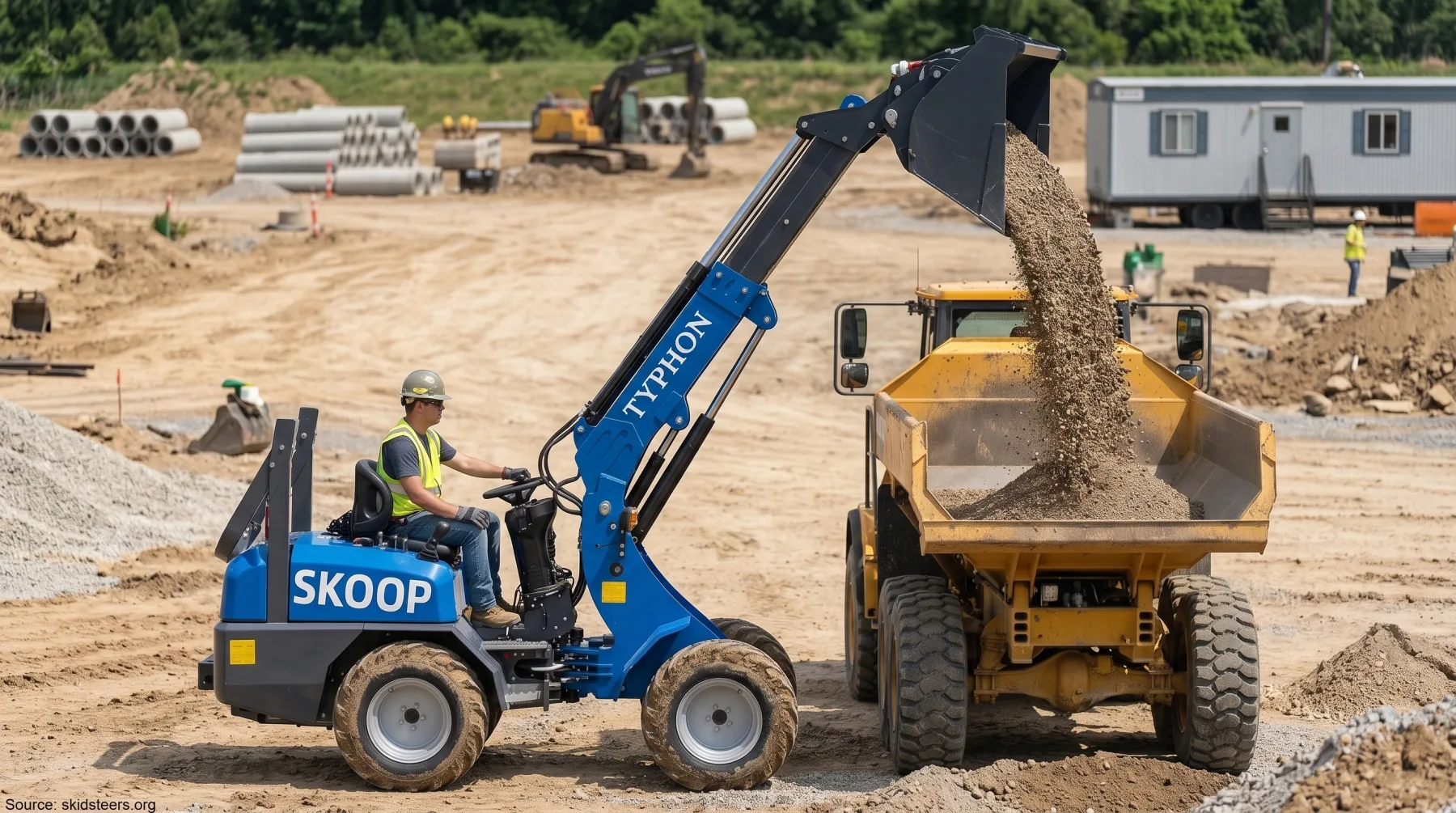
Understanding lift height specifications is the foundation for improving real-world jobsite performance. Lift height directly affects loading efficiency, cycle times, safety margins, and the variety of tasks a wheel loader can perform. Selecting the right specification helps maximize productivity while reducing unnecessary machine movement.
Proper lift height allows operators to complete loading tasks efficiently by eliminating repeated lifting attempts or awkward positioning. When the machine can comfortably reach the required height, loading cycles become smoother, faster, and more consistent, helping projects stay on schedule.
Lift height also increases the versatility of a wheel loader. Sufficient lifting capability enables the machine to load trucks, fill hoppers, stack materials, and support a wide range of material-handling tasks without compromising safety or productivity.
Optimizing Loading Cycles
Correct lift height enables fluid movement during the raise, swing, and dump phases of a cycle. When the bucket clears the target with ample margin, operators spend less time repositioning the machine. Over a full shift, these incremental time savings significantly enhance total output.
Inadequate height requires workarounds that decrease efficiency and increase the risk of material loss. Matching the machine's height to your transport equipment ensures every pass is precise and efficient.
Clearing Obstacles and Elevated Targets
Operational requirements often extend beyond standard dump trucks. Tasks such as loading high-sided trailers, filling hoppers, stacking materials, or working over retaining walls require sufficient lift height. A machine that cannot reach these targets safely will limit productivity and reduce the range of jobs it can perform.
Identify your highest loading target and ensure the loader provides adequate clearance with a reasonable safety margin. Extra lift height offers greater flexibility across different jobsites, accommodates a wider range of trucks and equipment, and helps reduce material spillage and unnecessary repositioning during loading operations.
Stability and Operational Safety
Lifting loads to maximum height shifts the machine's center of gravity, which can affect stability if rated operating limits are exceeded. A properly specified wheel loader is designed to maintain stability and safe handling throughout its lifting range when operated within manufacturer guidelines.
Always evaluate lift height alongside the machine's rated operating load. Attempting to lift excessive weight at maximum height increases the risk of tipping, hydraulic strain, and accelerated component wear. Following manufacturer load limits, operating on stable ground, and using smooth, controlled movements help maintain safe, reliable performance throughout the machine's service life.
Matching Lift Height to Your Specific Application
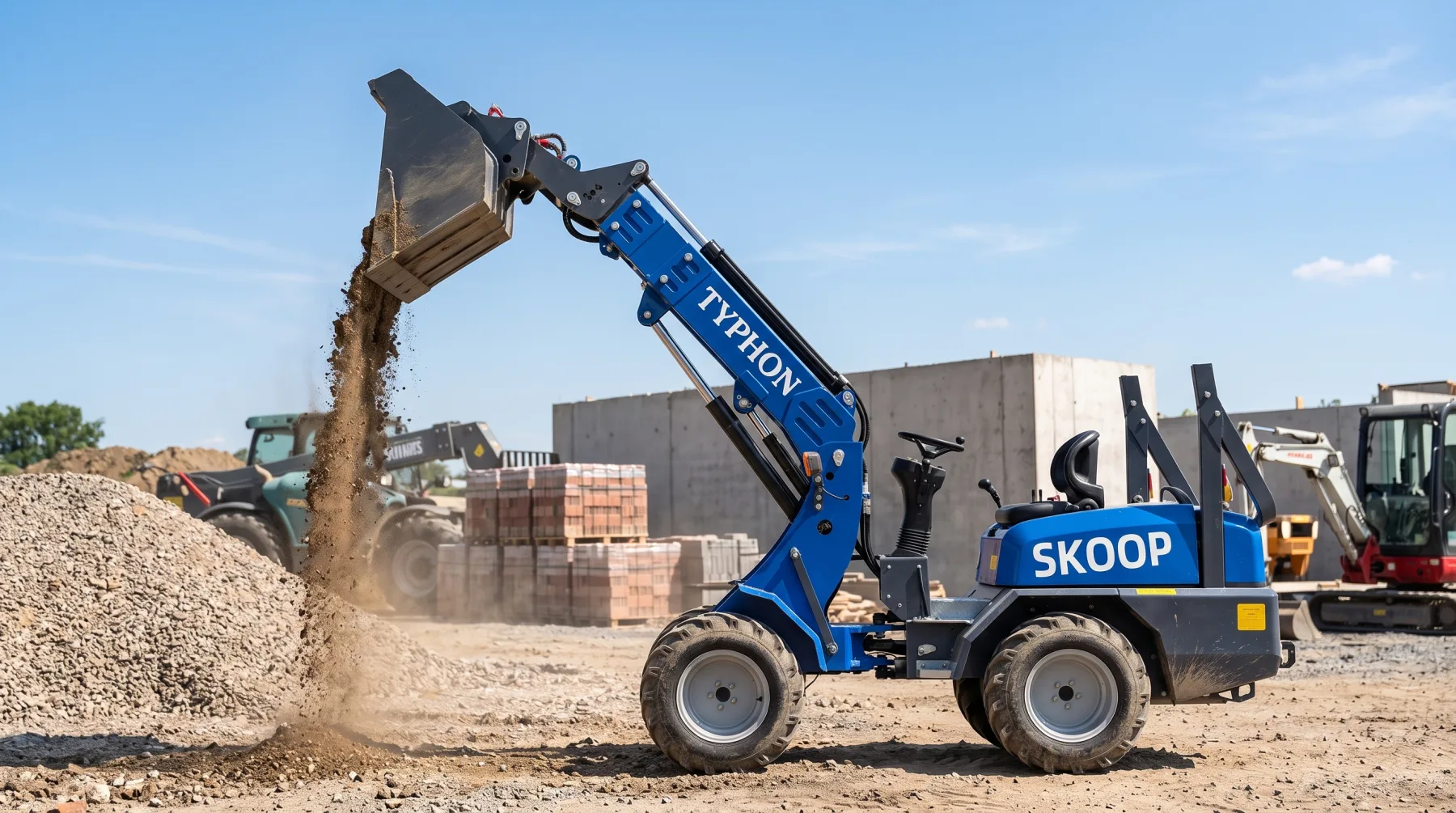
Selecting the ideal lift height begins with an honest assessment of your day-to-day operations. The goal is to choose a wheel loader that matches your regular workload while providing enough performance margin for future projects and changing jobsite conditions.
Evaluate your most common loading tasks rather than selecting a machine based only on occasional requirements. Consider the height of your trucks, trailers, hoppers, and storage bins, then choose a loader that can service these targets comfortably without operating at its maximum mechanical limits on every cycle.
Planning for future growth is equally important. Selecting a loader with slightly greater lift capability than your current needs provides additional versatility, allowing your business to handle new applications and larger projects without requiring an immediate equipment upgrade.
Sizing for Primary Operational Tasks
Focus your selection on the work your loader performs most often. Measure the loading heights of your trucks, trailers, and material storage areas to ensure the machine provides sufficient clearance for efficient bucket dumping. Daily tasks should be completed comfortably rather than at the edge of the loader's capabilities.
For standard dump truck loading, a mid-range lift height is often sufficient. However, applications involving grain trucks, tall trailers, or elevated hoppers typically require machines with greater lift height and forward reach to maintain efficient loading.
Balancing Height, Capacity, and Dimensions
Lift height is only one part of a wheel loader's overall performance. Machines with greater lift capability often feature larger dimensions, increased operating weight, and higher lifting capacities. In confined work environments, a compact wheel loader may offer the best balance between lift height, maneuverability, and productivity.
Evaluate lift height alongside bucket capacity, operating weight, machine dimensions, and hydraulic performance. The ideal loader is one that provides enough lift to complete your work efficiently while remaining appropriately sized for your jobsites, transport requirements, and daily operating conditions.
Protecting Your Investment through Foresight
Operational requirements often change as businesses take on larger projects and more demanding applications. If you expect to work with taller trucks, larger trailers, or higher loading targets in the future, choosing a wheel loader with additional lift height today can help avoid premature equipment replacement and protect your long-term investment.
Maintaining Lift Performance and Reliability
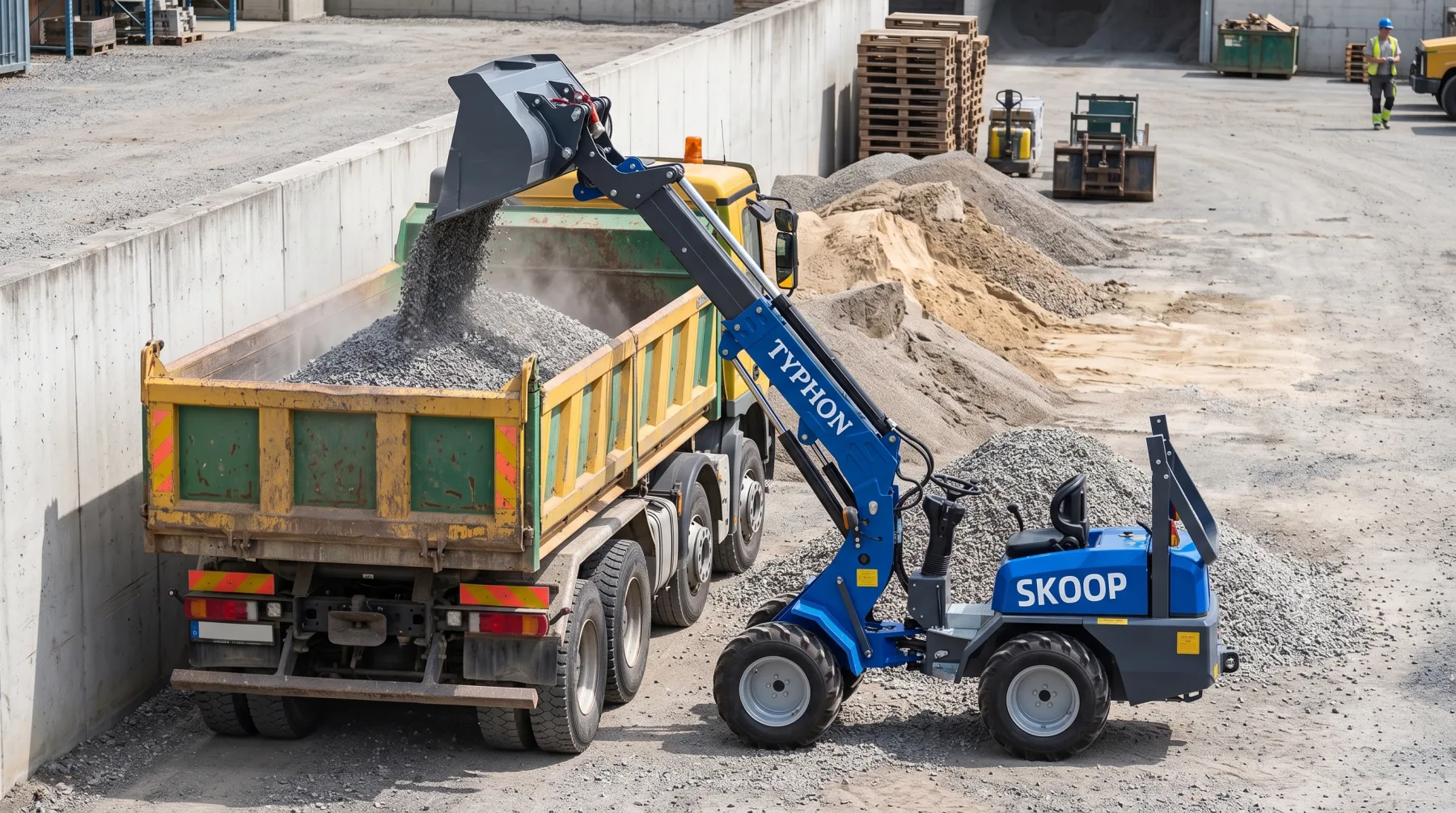
Maintaining a wheel loader's rated lift performance requires consistent maintenance and regular inspections. A machine that performs well when new can gradually lose lifting efficiency if hydraulic components, lift arms, and linkage assemblies are neglected. Routine maintenance helps preserve lifting capability, improve reliability, and reduce unexpected downtime.
Regular inspections of the hydraulic system, lift arms, cylinders, hoses, and linkage components help identify leaks, wear, or loose pivot points before they affect machine performance. Addressing minor issues early keeps the loader operating according to its original specifications and reduces the risk of expensive repairs.
Consistent preventive maintenance also protects your long-term investment. Keeping hydraulic fluid clean, following recommended service intervals, and replacing worn components when necessary ensures the loader continues delivering smooth lifting performance, dependable productivity, and safe operation throughout its service life.
Hydraulic System Integrity
Lift performance depends directly on the condition of the hydraulic system. Contaminated fluid, worn seals, damaged hoses, or leaking cylinders reduce lifting strength and may cause the lift arms to drift under load. Regularly inspect hydraulic fluid levels, replace filters on schedule, and examine lift cylinders for signs of leaks or damage.
Maintaining clean hydraulic fluid and properly functioning cylinders allows the loader to safely reach its full rated lift height while carrying its designed load. Addressing small hydraulic issues promptly helps prevent larger mechanical failures and extends component life.
Linkage, Pin, and Bushing Maintenance
The lift arms rely on pins and bushings that experience wear during every loading cycle. Excessive wear reduces lifting precision, creates unwanted movement, and places additional stress on the lift linkage. Lubricate these components according to the manufacturer's maintenance schedule and inspect them regularly for signs of wear or mechanical play.
Well-lubricated pins and properly maintained bushings ensure smooth, accurate lift arm movement while reducing unnecessary stress on structural components. Replacing worn bushings before they cause damage helps maintain lifting performance and lowers long-term repair costs.
Adhering to Operational Limits
The longevity of a wheel loader's lift system depends not only on maintenance but also on proper operating practices. Repeatedly overloading the bucket, carrying excessive loads at maximum height, or forcing the lift arms against their mechanical stops accelerates wear on hydraulic components, linkages, and structural assemblies. Operating within the machine's rated load capacity and using smooth, controlled movements helps preserve both performance and reliability.
Conclusion
Lift height is one of the most important specifications when selecting a wheel loader because it directly influences loading efficiency, productivity, and the range of tasks the machine can perform. Understanding the differences between lift height, dump height, and forward reach allows you to evaluate equipment more accurately and choose a loader that matches your daily operating requirements.
Selecting the right lift height improves cycle times, reduces unnecessary repositioning, increases loading accuracy, and helps maintain safe operation across a wide variety of applications. When paired with proper hydraulic maintenance, regular inspections, and responsible operating practices, the correct machine will continue delivering dependable lifting performance for years.
Before making your next equipment purchase, evaluate your typical loading heights, compare them with the loader's lift and dump specifications, and consider future jobsite requirements as your business grows. Investing in a machine that offers the right balance of lift height, capacity, stability, and maneuverability will maximize productivity, reduce operating costs, and provide lasting value throughout the equipment's service life.