August 1, 2026
How Quick Couplers Improve Wheel Loader Productivity
When comparing different models, buyers should evaluate Wheel Loader Engine Horsepower together with bucket capacity, hydraulic flow, and operating weight.
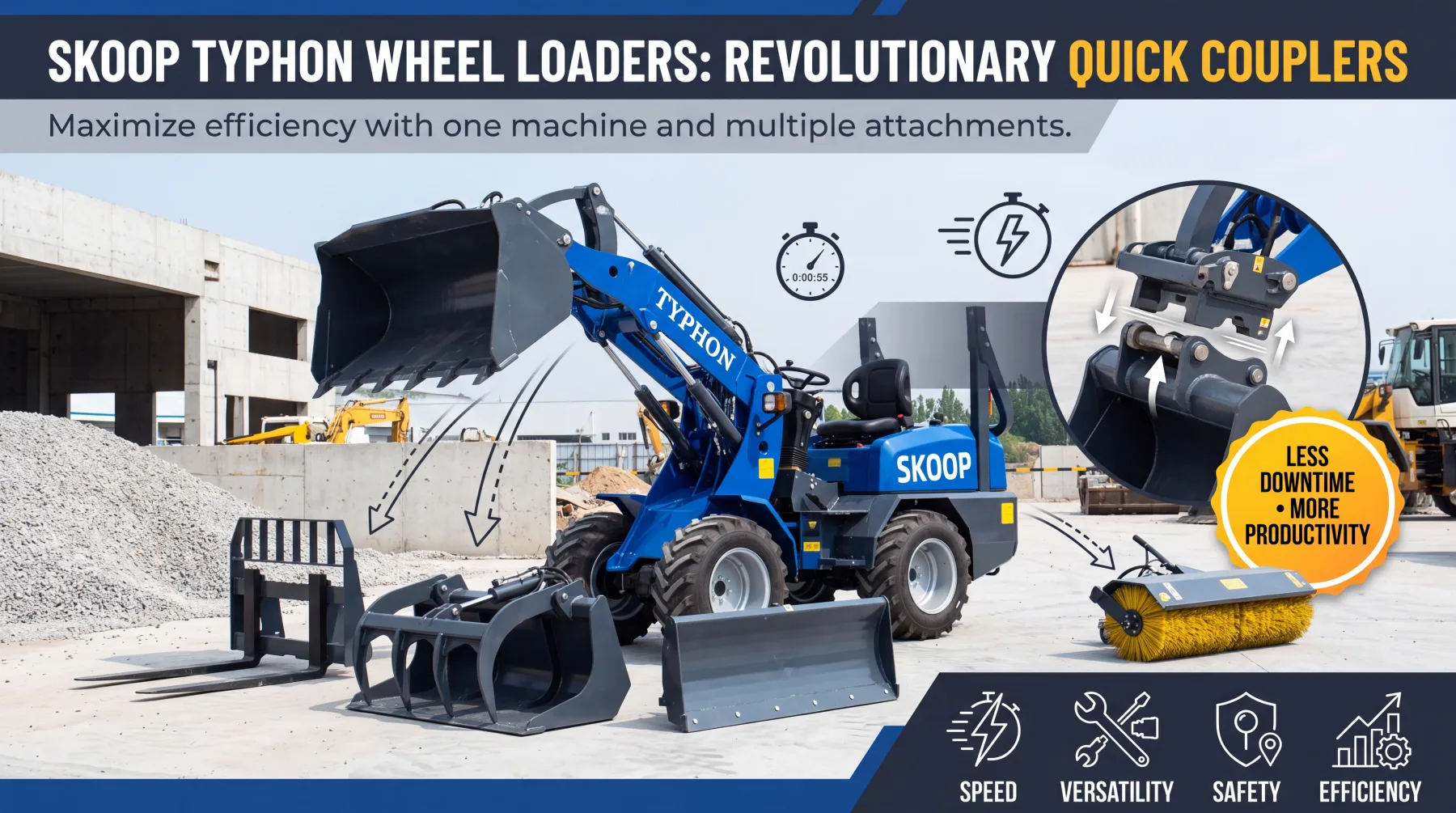
A wheel loader is only as productive as the speed at which it can change between the tasks a job site demands. That is where the quick coupler earns its place, transforming a machine that once needed slow, hands-on attachment swaps into one that adapts in minutes. For operators and businesses that rely on their equipment to keep projects moving, this small piece of engineering delivers a genuine boost to efficiency, versatility, and safety. This guide explains what a quick coupler is and how it works, how faster changes cut downtime, how it expands a loader's versatility, how it improves safety during swaps, and how to choose the right system for your machine. What Is a Quick Coupler and How Does It Work?
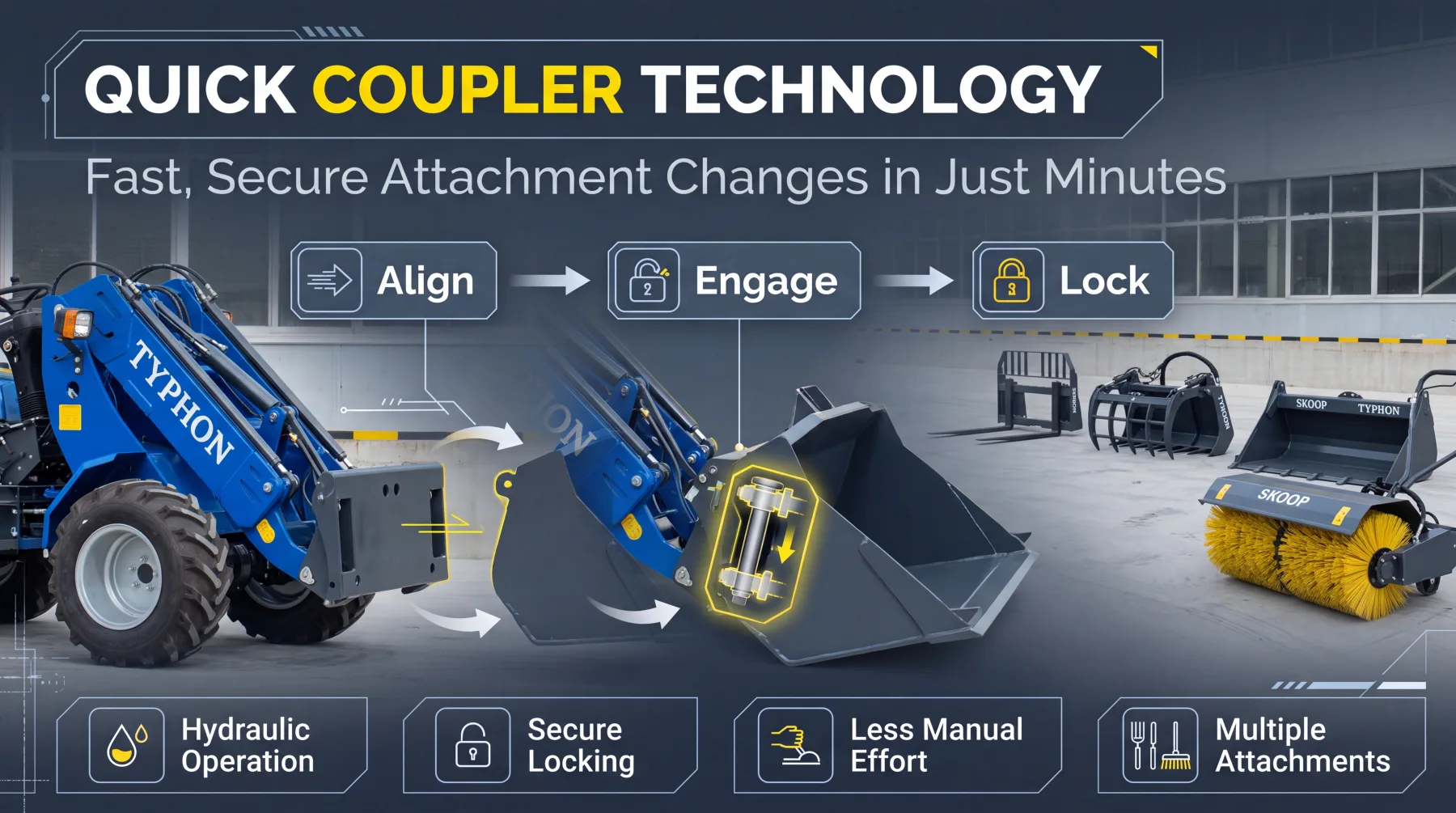
A quick coupler is a mechanism mounted between a wheel loader's lift arms and its attachments that lets operators connect and disconnect tools quickly, with very little manual effort. In place of the slow, labor-intensive process of bolting or pinning an attachment by hand, the coupler acts as a standardized connection point. The attachment carries a matching interface, and the coupler locks onto it securely, creating a firm, reliable bond that handles the full force of digging, lifting, and carrying. This simple idea removes most of the physical work that attachment changes once required. The way a quick coupler operates is refreshingly straightforward. The operator maneuvers the loader so the coupler aligns with the attachment's mounting points, tilts the coupler to engage it, and then activates the locking system to secure it in place. Many modern systems are hydraulic, meaning the operator can complete the entire connection from the cab without climbing down, while manual couplers use a mechanical locking pin engaged by hand. Whichever style is used, the coupler reduces the time and complexity of switching tools in a few clear ways: Standardized connection that fits a range of compatible attachments. Secure locking that holds the tool firmly under heavy working loads. Minimal manual effort, especially with hydraulic systems operated from the cab. Simple engagement that most operators master quickly and repeat with ease. Understanding how the mechanism works makes its value clear. By turning a complicated, hands-on task into a quick, repeatable action, the quick coupler lets operators focus on the work itself rather than the equipment changes that support it, which is exactly what keeps a loader productive throughout the day.
Faster Attachment Changes Mean Less Downtime
Every minute a wheel loader spends parked while an attachment is swapped is a minute it is not earning its keep. Traditional manual attachment changes can eat up significant time, requiring the operator to leave the cab, wrestle with pins or bolts, and carefully align heavy tools by hand. Repeated across a shift, those delays add up to real lost productivity. A quick coupler eliminates most of that wasted time, letting operators switch between buckets, forks, grapples, and other tools in minutes rather than the long stretches manual methods demand. This speed keeps work flowing instead of stalling. When a task calls for a different tool, the operator simply drops one attachment, picks up the next, and gets straight back to work. On a busy site where the job shifts from loading material to moving pallets to clearing debris, those fast transitions mean the machine stays active and the crew stays on schedule. The loader spends its hours doing productive work rather than sitting idle between tasks. The efficiency gains show up across the whole operation: Minutes, not hours, spent switching tools throughout the day. Fewer interruptions to the workflow as tasks change. Steady progress that keeps projects moving toward completion. Better use of labor, since operators spend time working rather than swapping tools. For any business measuring productivity by what its equipment accomplishes in a day, reduced downtime translates directly into better output and stronger returns. A wheel loader fitted with a quick coupler simply gets more done in the same amount of time, because it is not losing valuable hours to the slow, manual changes that once held it back. That reliability keeps job sites efficient and helps crews meet the deadlines that matter most.
Expanding the Versatility of a Wheel Loader
One of the greatest advantages a quick coupler brings is the ability to turn a single wheel loader into a genuine multi-tool machine. Because attachments change so quickly and easily, operators can move between very different jobs throughout the day without the burden of slow equipment changes. A loader that starts the morning scooping and loading material can shift to handling pallets, then move on to grading or snow removal, all with the same base machine. That flexibility means one loader covers work that might otherwise require several specialized pieces of equipment. This adaptability matters most on sites where the work changes constantly. A crew rarely spends an entire day on one task, and a machine that can keep pace with those shifting demands keeps the whole operation efficient. Rather than waiting for a different machine or performing a lengthy manual swap, the operator adapts on the spot, matching the tool to the job as conditions change. The range of work a quick-coupler-equipped loader can handle is impressive: Material handling with buckets for soil, gravel, and aggregate. Loading and lifting using forks for pallets and packaged goods. Grading and leveling to shape and prepare ground. Snow removal with blades or pushers during winter months. Debris and brush handling using grapples for irregular loads. This versatility delivers real value beyond convenience. Owning one adaptable machine instead of several single-purpose ones reduces equipment costs, frees up space, and simplifies fleet management. It also means the loader stays busy and productive across a wider range of jobs, improving the return on your investment. By making it effortless to switch tools, a quick coupler unlocks the full potential of a wheel loader, letting it serve as a dependable, all-purpose machine that adapts to whatever the job site requires.
Improving Safety During Attachment Swaps
Safety is a serious concern during any attachment change, and modern quick couplers make the process considerably safer for operators. Traditional manual swaps often require the operator to work close to heavy attachments, handling pins, aligning tools by hand, and lifting or positioning components that carry real risk of injury. A quick coupler reduces that manual handling dramatically. With hydraulic systems in particular, the operator can complete the entire connection from inside the cab, keeping a safe distance from the heavy equipment and greatly reducing exposure to pinch points and lifting hazards. Secure locking is the foundation of safe quick-coupler operation. A properly engaged coupler holds the attachment firmly in place throughout every lift, dig, and carry, so there is no risk of a tool coming loose during work. Modern couplers are designed with reliable locking mechanisms, and many include visual indicators or safety checks that confirm the attachment is fully secured before the machine returns to work. Confirming a positive lock every time is essential to protecting both the operator and everyone nearby. Safe operation depends on a few consistent practices: Verify the lock is fully engaged before lifting or using any attachment. Use locking indicators where available to confirm a secure connection. Inspect the coupler regularly for wear, damage, or hydraulic leaks. Follow the manufacturer's procedures for connecting and disconnecting tools. Regular inspection and maintenance keep these safety benefits intact over the long term. A coupler with worn components or a failing locking system undermines the very protection it is meant to provide, so routine checks are well worth the effort. When operators combine dependable equipment with careful, consistent procedures, attachment changes become a quick, controlled, and safe part of the workday, protecting the crew while keeping the machine productive.
Choosing the Right Quick Coupler for Your Wheel Loader
Selecting the right quick coupler starts with confirming compatibility with your specific wheel loader. Couplers are built to match particular machine sizes, lift-arm configurations, and hydraulic capacities, so a system that fits one loader may not suit another. Before choosing, check that the coupler is rated for your machine's weight class and that it works with your loader's hydraulic system if you want the convenience of cab-operated connection. A coupler matched properly to the machine performs reliably and holds attachments securely, while a poor fit compromises both performance and safety. Attachment requirements are the next consideration, since the coupler serves as the bridge between your machine and the tools it carries. Confirm that the coupler's interface matches the attachments you plan to use, whether buckets, forks, grapples, or specialized tools, so every tool connects cleanly and locks firmly. If you rely on hydraulically driven attachments, make sure the coupler supports the hydraulic connections those tools need to function. The type of work you perform should guide the final decision: Loader compatibility: Match the coupler to your machine's size, arms, and hydraulics. Attachment interface: Ensure the coupler fits every tool you intend to use. Work type: Choose a coupler suited to the intensity and range of your tasks. Hydraulic support: Confirm the system handles any powered attachments you run. Matching the coupler to how hard and how often you work protects both productivity and durability. Heavy, continuous operation demands a robust system built to withstand the strain, while lighter workloads have more flexibility in their options. A well-matched quick coupler maximizes productivity by making tool changes fast and dependable, while maintaining the reliable, secure performance that demanding work requires. Taking the time to choose carefully ensures the system serves your operation well for years to come. Conclusion Quick couplers deliver a clear and lasting boost to wheel loader productivity by making attachment changes fast, simple, and safe. Understanding how the mechanism works reveals why it removes so much of the effort and complexity that manual swaps once demanded, and that speed translates directly into less downtime and steadier progress across the workday. By letting a single machine move effortlessly between material handling, loading, grading, snow removal, and more, a quick coupler expands a loader's versatility and strengthens the return on your investment. Modern systems also improve safety, reducing manual handling and keeping attachments securely locked when paired with regular inspection and sound procedures. Choosing the right coupler for your machine, your attachments, and your workload ties all these benefits together. Match the system thoughtfully to your operation, and your wheel loader will work harder, adapt faster, and perform more reliably every single day.