June 9, 2026
How to Choose a Skid Steer Loader in 2026
Learn more today about the specific models and attachments that align with your unique requirements. Explore dealer inventories, request demonstrations, and engage with experts to finalize your decision.
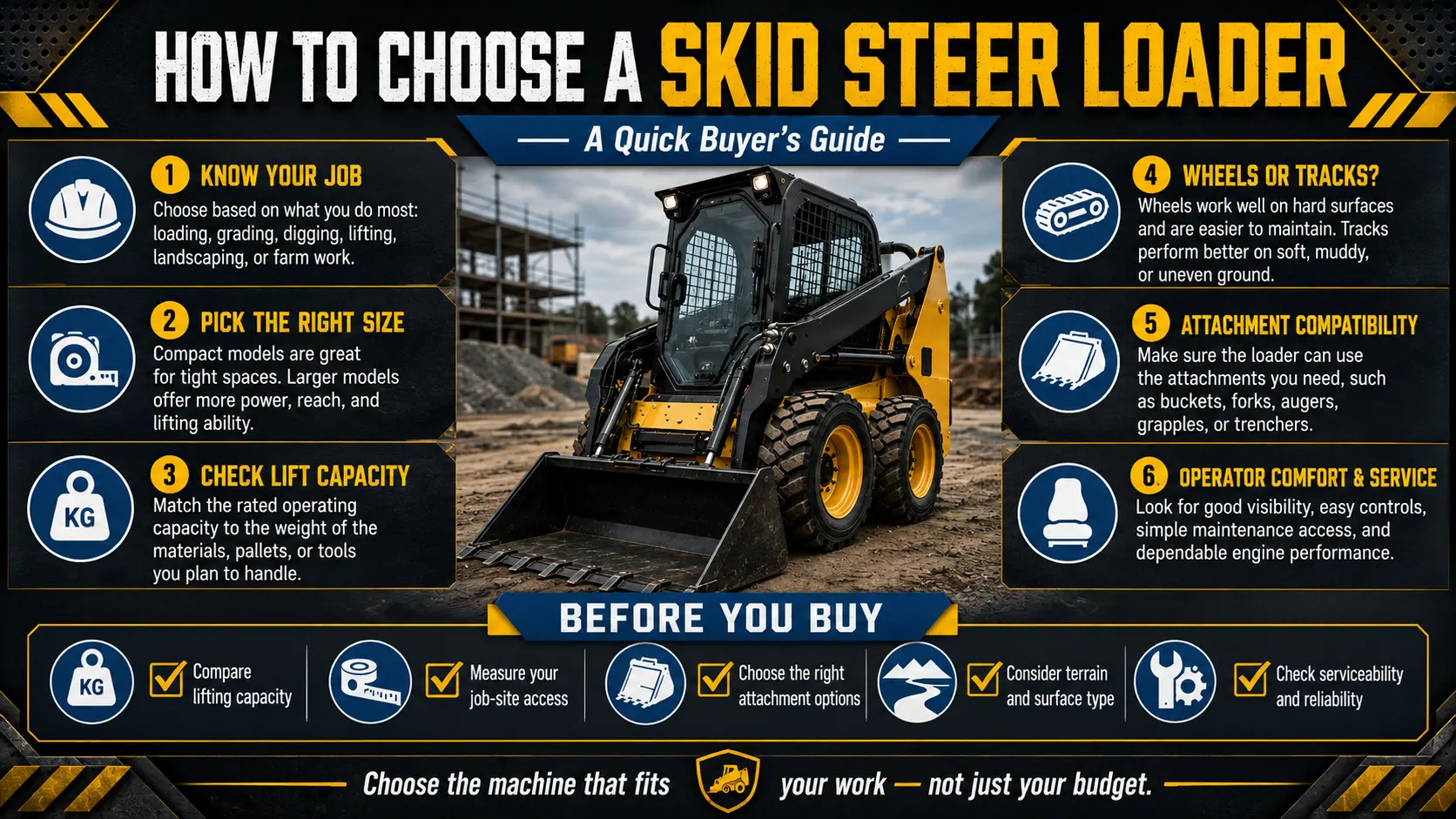
How to Choose a Skid Steer Loader in 2026
Imagine a compact, powerful workhorse that can dig, lift, clear, and move materials with surprising agility. That's a skid steer loader for you – an indispensable piece of equipment across countless industries, from construction and landscaping to agriculture and demolition. If you've ever seen one in action, you know its versatility is unmatched. But when it comes to acquiring one for your specific needs, the sheer number of options can feel overwhelming. You're not just buying a machine; you're investing in efficiency, productivity, and the ability to tackle a wider range of projects.
In 2026, the market for skid steer loaders is more dynamic than ever, with advancements in technology, fuel efficiency, operator comfort, and attachment capabilities. This isn't a decision to be taken lightly. Choosing the right skid steer loader involves a careful assessment of your operational requirements, budget, and long-term goals. A poorly chosen machine can lead to inefficiencies, higher operating costs, and frustration, while the right one can become the cornerstone of your fleet, boosting your capabilities significantly.
This comprehensive guide is designed to demystify the process of selecting the perfect skid steer. We'll walk you through everything you need to consider, from understanding the different types and their lifting capacities to evaluating engine power, hydraulic flow, and the vast array of attachments available. Whether you're a seasoned contractor looking to upgrade, a farmer expanding your operations, or a homeowner embarking on a major project, this guide will equip you with the knowledge to make an informed and confident decision. By the end, you'll not only know how to choose a skid steer loader but also understand the critical factors that will ensure your investment pays dividends for years to come.
What is How to Choose a Skid Steer Loader? When we talk about "What is How to Choose a Skid Steer Loader?", we're not just defining the machine itself, but rather outlining the critical decision-making process involved in selecting this versatile piece of heavy equipment. A skid steer loader, often simply called a "skid steer" or "skid loader," is a small, rigid-frame, engine-powered machine with lift arms used to attach a wide variety of labor-saving tools or attachments. Its unique steering mechanism, which "skids" the wheels or tracks across the ground by locking one side, allows for incredible maneuverability in tight spaces. Understanding this fundamental nature is the first step in comprehending the selection process.
The "how to choose" aspect delves into a multi-faceted evaluation that considers various technical specifications, operational requirements, and budgetary constraints. It's about matching the machine's capabilities to the tasks you need to perform. For instance, if your primary work involves heavy lifting and loading trucks, you'll need to prioritize lift capacity and reach. If you're working in confined urban environments, machine size and maneuverability will be paramount. If you're clearing land or grinding stumps, hydraulic flow for specialized attachments becomes a key consideration.
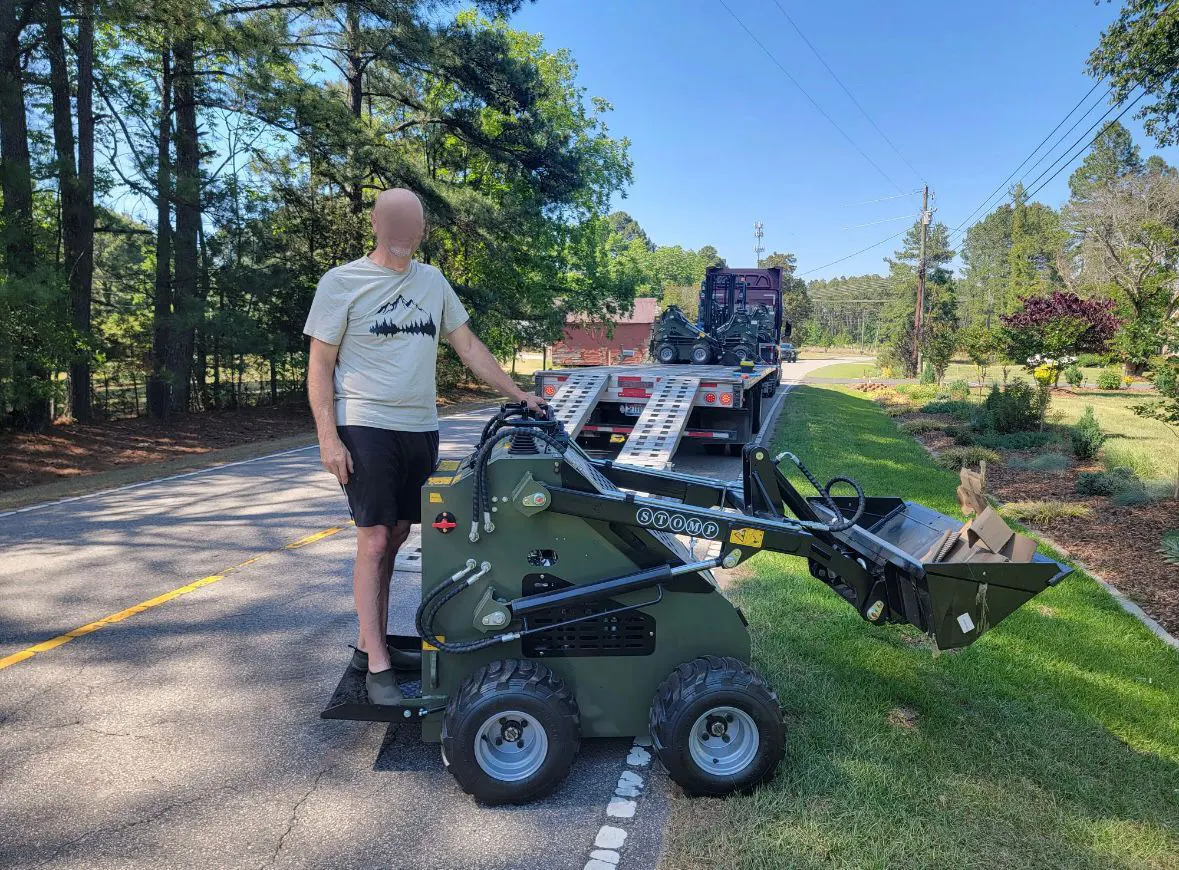
The process of choosing a skid steer loader involves understanding its core components and how they relate to performance. This includes engine horsepower, which dictates overall power and efficiency; operating weight, which affects stability and transportability; and hydraulic flow, which is crucial for powering demanding attachments. You'll also need to differentiate between radial lift and vertical lift designs, each suited for different types of tasks. Radial lift machines excel at digging and pushing, offering maximum reach at mid-height, while vertical lift machines are superior for lifting heavy loads to full height, such as stacking pallets or loading high-sided trucks.
Furthermore, the "how to choose" narrative extends to considering the type of undercarriage: wheeled or tracked. Wheeled skid steers are generally faster and more agile on hard, even surfaces like asphalt or concrete, making them ideal for many construction and landscaping tasks. Tracked skid steers, often referred to as compact track loaders (CTLs), offer superior traction and flotation on soft, uneven, or muddy terrain, minimizing ground disturbance and increasing stability on slopes. The choice between these two largely depends on the typical ground conditions of your work sites.
Ultimately, "What is How to Choose a Skid Steer Loader?" is a comprehensive inquiry into defining your needs, understanding the machine's capabilities, and aligning them to make an informed investment. It's about looking beyond the brand name and delving into the specifications that truly matter for your productivity and profitability. This foundational understanding sets the stage for exploring the specific benefits and practical steps involved in making the right choice.
Key Benefits
The decision of how to choose a skid steer loader is heavily influenced by the array of key benefits these machines bring to various operations. Investing in the right skid steer can dramatically improve efficiency, reduce labor costs, and expand the scope of work you can undertake. Understanding these advantages is crucial for justifying the investment and ensuring you select a machine that maximizes these returns.
One of the most significant benefits is unparalleled versatility. A single skid steer, when paired with the right attachments, can perform the work of multiple specialized machines. Think about it: with a bucket, it can dig and move earth; swap it for a grapple, and it becomes a debris handler; attach a trencher, and you're laying pipes or cables; add a hydraulic hammer, and it's demolishing concrete. This adaptability means you can tackle a diverse range of projects without needing a large fleet of equipment, saving on purchase costs, maintenance, and storage. For a landscaping company, this might mean one machine can handle everything from land clearing and grading to tree planting and snow removal.
Another major advantage is their compact size and maneuverability. Skid steers are designed to operate in tight spaces where larger equipment simply cannot go. Their ability to turn within their own footprint (skid steer steering) makes them ideal for urban construction sites, residential landscaping, barns, and warehouses. This agility allows for faster cycle times in confined areas, increasing productivity. Imagine working on a backyard renovation where space is limited; a skid steer can navigate gates, tight corners, and existing structures with ease, minimizing disruption.
Increased productivity and labor savings are direct outcomes of skid steer ownership. Tasks that would take a team of workers many hours or even days to complete manually can be done in a fraction of the time with a skid steer. For example, moving several tons of gravel from one end of a property to another manually is a back-breaking, time-consuming job. With a skid steer and a bucket, this task can be completed in minutes. This not only speeds up project completion but also frees up your workforce for more skilled tasks, leading to significant cost savings over the long term.
Furthermore, modern skid steer loaders offer enhanced operator comfort and safety. Manufacturers are continually improving cab designs with features like ergonomic controls, air conditioning, heated seats, advanced suspension systems, and improved visibility. These enhancements reduce operator fatigue, leading to increased productivity and fewer errors. Safety features such as rollover protective structures (ROPS) and falling object protective structures (FOPS), along with interlock systems, further protect operators, reducing the risk of accidents on the job site.
Finally, the strong resale value and broad market availability of skid steers make them a sound investment. They are highly sought after in the used equipment market, meaning your initial investment retains a good portion of its value. The wide range of manufacturers, models, and attachment options also ensures that you can always find parts, service, and specialized tools, keeping your machine operational and versatile for years to come. These collective benefits underscore why a careful selection process is paramount when considering how to choose a skid steer loader.
How to Get Started
Embarking on the journey of how to choose a skid steer loader can seem daunting, but breaking it down into manageable steps makes the process clear and effective. Getting started involves a systematic approach, beginning with a thorough assessment of your needs and extending to practical considerations like budgeting and dealer support.
The first and most crucial step is to define your primary applications and tasks. What will the skid steer primarily be used for? Will it be digging, lifting, grading, clearing, demolition, snow removal, or a combination of these? Make a detailed list of all the tasks you anticipate the machine will perform. For instance, a farmer might need it for moving feed, cleaning stalls, and light excavation, while a landscaper might focus on grading, moving soil, and installing hardscapes. This assessment will dictate the necessary lift capacity, hydraulic flow, and the type of attachments you'll require. Consider the materials you'll be handling (e.g., light mulch vs. heavy concrete slabs) and the typical volume of work.
Next, evaluate your typical work environment and ground conditions. Will you be operating on hard, paved surfaces, soft soil, mud, sand, or uneven terrain? This is where the choice between a wheeled skid steer and a compact track loader (CTL) becomes critical. Wheeled machines are generally faster and more economical on firm, dry surfaces, while CTLs offer superior traction, flotation, and stability on challenging ground, minimizing ground disturbance. If you frequently work on sensitive landscapes or in wet conditions, a CTL might be a better fit. Conversely, if speed and maneuverability on concrete are paramount, a wheeled unit could be ideal.
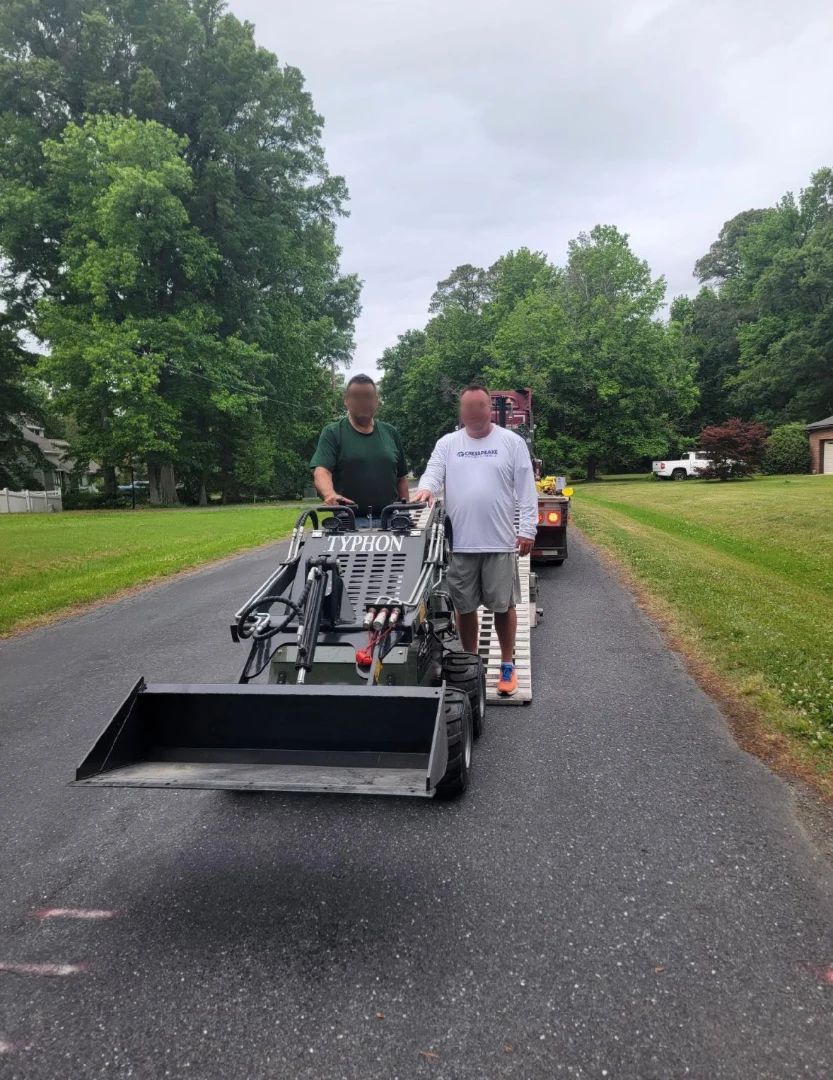
Once you have a clear picture of your tasks and environment, you can start to determine the required specifications.
Operating Capacity: This is perhaps the most important metric. It refers to the maximum weight the machine can safely lift. Aim for a machine with an operating capacity that comfortably exceeds your heaviest anticipated load. Remember, attachments also add weight. Lift Height and Reach: If you need to load high-sided trucks or stack materials, prioritize machines with greater lift height and reach. Consider whether a radial lift (better for digging and mid-height reach) or vertical lift (better for high-height lifting and loading) arm design is more suitable. Engine Horsepower (HP): While higher HP generally means more power, it's not the sole determinant of performance. It influences travel speed and the ability to power demanding attachments. Hydraulic Flow (GPM - Gallons Per Minute): This is critical for powering hydraulic attachments like trenchers, brush cutters, and cold planers. High-flow hydraulics are essential for these demanding tools. If your primary use involves such attachments, ensure the machine offers standard or optional high-flow capabilities. Machine Size and Weight: Consider transportation requirements. Do you have a truck and trailer capable of hauling the machine? Will it fit through gates or into specific work areas? Finally, set a realistic budget and explore financing options. Skid steer loaders represent a significant investment. Your budget should include not only the purchase price of the machine but also essential attachments, transportation costs, insurance, and ongoing maintenance. Don't forget to factor in fuel costs and potential operator training. Many dealers offer financing, leasing, or rental-purchase options, which can help manage the initial outlay. It's also wise to consider the total cost of ownership, including fuel efficiency, parts availability, and expected lifespan.
By systematically addressing these points, you'll build a solid foundation for comparing different models and making an informed decision. This structured approach to how to choose a skid steer loader ensures that your eventual selection is well-aligned with your operational needs and financial capabilities.
Best Practices
Once you've defined your needs and understood the core specifications, applying best practices in your selection process for how to choose a skid steer loader will ensure you make a wise, long-term investment. These practices go beyond mere technical specs, delving into operational efficiency, safety, and the overall value proposition.
A critical best practice is to prioritize attachments and their compatibility. A skid steer is only as versatile as its attachments. Before finalizing a machine, make a comprehensive list of all the attachments you foresee needing, both immediately and in the future. Then, verify that your chosen skid steer model can effectively power and utilize these attachments. This means checking:
Hydraulic Flow (GPM): As mentioned, high-flow attachments require a machine with high-flow auxiliary hydraulics. Don't assume all skid steers have this. Operating Capacity: Ensure the machine can safely lift and maneuver the attachment plus its load. Attachment Interface: Most modern skid steers use a universal quick-attach system, but it's always good to confirm compatibility, especially if you're considering older attachments or specific brands. Electrical Connectivity: Some advanced attachments require electrical connections for controls, so verify the machine has the necessary wiring. By planning for attachments upfront, you avoid the costly mistake of buying a machine that can't handle the tools you need. For example, if you plan to use a powerful stump grinder, you'll need a machine with robust high-flow hydraulics and sufficient horsepower to prevent bogging down. Another key best practice is to test drive and compare multiple models. Specifications on paper are one thing; real-world performance is another. Schedule demonstrations with different manufacturers and models that fit your criteria. Pay close attention to:
Operator Comfort and Ergonomics: Spend time in the cab. Are the controls intuitive? Is visibility good? Is the seat comfortable and adjustable? Does it have air conditioning/heating if you'll be working in extreme climates? Operator comfort directly impacts productivity and reduces fatigue. Maneuverability and Control Responsiveness: How does it feel to operate? Is the steering precise? Do the hydraulics respond smoothly? Noise Levels and Vibration: Excessive noise and vibration can lead to operator fatigue and discomfort over long shifts. Ease of Maintenance Access: Check how easy it is to access common service points like filters, fluid checks, and battery. Simple maintenance access can save significant time and money over the machine's lifespan. Don't rush this step. The feel of the machine can be a deciding factor for operators who will spend hours in the cab. Consider the total cost of ownership (TCO), not just the purchase price. TCO includes:
Fuel Efficiency: Newer models often feature more fuel-efficient engines, which can lead to substantial savings over time. Maintenance Costs: Research the cost and availability of parts for different brands. Some brands might have more expensive proprietary parts. Resale Value: Brands with a strong reputation often hold their value better, which is important if you plan to upgrade in the future. Insurance and Transportation: Factor these ongoing costs into your budget. A slightly more expensive machine upfront might prove more economical in the long run due to better fuel efficiency, lower maintenance, and higher resale value. Finally, evaluate dealer support and service. Your relationship with the dealer is crucial. A reliable dealer offers:
Knowledgeable Sales Staff: They should understand your needs and recommend appropriate models and attachments. Excellent Service Department: Quick access to skilled technicians and genuine parts minimizes downtime, which is critical for your business. Parts Availability: Ensure they stock common wear parts or can get them quickly. Training: Some dealers offer operator training, which can be invaluable for new users. Read reviews, ask for references, and assess their responsiveness. A good dealer partnership can be just as important as the machine itself. By adhering to these best practices, your journey on how to choose a skid steer loader will lead to a choice that enhances your operations for years to come.
Frequently Asked Questions
When delving into how to choose a skid steer loader, many common questions arise. This FAQ section aims to address some of the most pressing concerns, providing clear and concise answers to help you navigate your decision-making process.
Q1: What is a skid steer loader? A: A skid steer loader is a compact, rigid-frame, engine-powered machine with lift arms used to attach a wide variety of labor-saving tools or attachments. It's characterized by its unique steering method, where it "skids" or drags its wheels/tracks across the ground by locking one side, allowing it to turn within its own footprint. This makes it incredibly maneuverable in tight spaces. They are commonly used in construction, landscaping, agriculture, and demolition for tasks like digging, lifting, grading, and moving materials.
Q2: How does a skid steer loader work? A: A skid steer loader operates using an engine that powers a hydraulic system. This hydraulic system drives the wheels or tracks and also powers the lift arms and auxiliary hydraulics for attachments. The steering works by independently controlling the speed and direction of the wheels/tracks on each side. To turn, one side speeds up while the other slows down or stops, causing the machine to "skid" or pivot. The operator controls these functions from a cab, typically using joysticks or foot pedals. Attachments are connected to the lift arms via a quick-attach system and are powered by the machine's hydraulic system.
Q3: What are the main benefits of owning a skid steer loader? A: The main benefits include:
Versatility: With numerous attachments, a single skid steer can perform tasks traditionally requiring multiple machines (e.g., digging, lifting, grading, trenching, snow removal). Maneuverability: Its compact size and unique steering allow it to operate effectively in confined spaces. Increased Productivity: It significantly speeds up manual tasks, saving time and labor costs. Cost-Effectiveness: Reduces the need for multiple specialized machines and minimizes manual labor. Operator Comfort and Safety: Modern machines offer ergonomic controls, improved visibility, and advanced safety features. Strong Resale Value: Skid steers generally hold their value well in the used equipment market. Q4: What's the difference between a radial lift and a vertical lift skid steer? A: This refers to the geometry of the loader arms:
Radial Lift: The loader arms pivot in an arc, providing maximum reach at mid-height. They are generally better for digging, pushing, and applications requiring optimal reach at eye level, such as loading flatbed trucks from the side or backfilling trenches. Vertical Lift: The loader arms move straight up and down, keeping the load closer to the machine throughout the lift cycle. This design offers greater lift height and reach at full extension, making them ideal for lifting heavy loads high, such as stacking pallets, loading high-sided dump trucks, or material handling. Q5: Should I choose a wheeled skid steer or a compact track loader (CTL)? A: The choice depends on your typical work environment:
Wheeled Skid Steers: Faster and more agile on hard, even surfaces like asphalt, concrete, and firm dirt. They are generally less expensive to purchase and maintain (tires are cheaper than tracks). Ideal for landscaping, construction on paved sites, and applications where speed and maneuverability on solid ground are key. Compact Track Loaders (CTLs): Offer superior traction, flotation, and stability on soft, uneven, muddy, or sandy terrain. They distribute weight over a larger area, minimizing ground disturbance. Ideal for land clearing, working on slopes, sensitive landscapes, or any conditions where traction and flotation are critical. They are typically more expensive and slower than wheeled units. Q6: How important is hydraulic flow for attachments? A: Hydraulic flow (measured in gallons per minute, GPM) is extremely important, especially if you plan to use hydraulically powered attachments. Standard flow is sufficient for basic attachments like buckets, grapples, and pallet forks. However, high-flow attachments like trenchers, brush cutters, cold planers, and stump grinders require a machine with high-flow auxiliary hydraulics to operate efficiently and effectively. Without adequate hydraulic flow, these attachments will perform poorly or not at all. Always check the GPM requirements of your desired attachments against the machine's specifications.
Q7: What operating capacity do I need? A: Operating capacity is crucial and refers to the maximum weight the machine can safely lift. To determine your need, list the heaviest materials or loads you anticipate handling. Always factor in the weight of the attachment itself, as this reduces the available operating capacity for the load. It's generally recommended to choose a machine with an operating capacity that comfortably exceeds your typical heaviest load to ensure safety and prevent overloading, which can damage the machine and pose risks.
Conclusion Choosing the right skid steer loader is a significant decision that can profoundly impact your productivity, efficiency, and profitability. As we've explored in this comprehensive guide, it's not merely about picking the flashiest model or the cheapest option. It's a strategic investment that requires a thorough understanding of your operational needs, the nuances of machine specifications, and the long-term support you'll receive.
From defining your primary tasks and understanding your work environment to evaluating lift capacities, hydraulic flow, and the critical distinction between radial and vertical lift arms, every detail contributes to making an informed choice. We've emphasized the importance of considering attachments early in your decision-making process, test-driving multiple models, and looking beyond the initial price tag to assess the total cost of ownership and the reliability of dealer support. By following these best practices, you can ensure that your investment in a skid steer loader truly becomes the versatile workhorse you need.
The market for skid steer loaders in 2026 offers an impressive array of advanced machines designed for comfort, power, and efficiency. By leveraging the insights provided in this guide, you are now well-equipped to navigate this market with confidence. Remember, the goal is to find a machine that not only meets your current demands but also offers the flexibility to adapt to future projects and challenges.
Learn more today about the specific models and attachments that align with your unique requirements. Explore dealer inventories, request demonstrations, and engage with experts to finalize your decision. The right skid steer loader is waiting to transform your work, making tasks easier, faster, and more profitable